
Understanding Self Defence in Australia
Legal Definition and Regulations – Overview of Australian self defence laws and legal considerations
Self defence in Australia operates within a complex web of legal boundaries that often blur the line between justified action and criminal conduct. While the instinct to protect oneself is instinctive, understanding the precise criteria that define legal self defence is crucial for anyone navigating the sometimes treacherous legal landscape of Australia.
The core principle hinges on the notion of proportionality — force used must be reasonable in relation to the threat faced. Australian law does not permit retaliatory violence or excessive force; instead, it emphasizes restraint and necessity. A comprehensive grasp of these regulations can mean the difference between walking free and facing serious charges.
- Imminent threat to safety
- Reasonable apprehension of harm
- Immediate response required
These elements form the backbone of legal self defence in Australia, ensuring that actions are evaluated with a keen eye for context and intent. Consequently, Australian laws serve as a reminder that self defence, while vital, is a legal privilege, not an unbounded right. The nuances of these regulations are woven into every case, emphasizing a moral responsibility intertwined with legal accountability.
Rights and Responsibilities – What Australians should know about their rights and limitations when defending themselves
In the wild world of self defence Australia, knowing your rights isn’t just important… it could be the difference between freedom and a lengthy stay in the local jail! An estimated 60% of Australians believe that they have the right to defend themselves when threatened, but that belief must be balanced carefully against the law’s stern gaze. Thankfully, the legal landscape offers some clarity, but it’s no license to go John Wayne at the slightest hint of trouble.
When it comes to self defence Australia, your actions are acceptable only if they meet certain criteria. For example, the force used must be proportionate — no swinging haymakers if a slap will suffice! Understanding this fine line is vital because it helps shareholders of personal safety avoid the pitfalls of excessive retaliation or unintended criminal charges. It’s a delicate dance, where restraint and awareness of your legal boundaries play starring roles.
Ultimately, every Australian should recognize that self defence is a right with serious responsibilities. It’s a permission slip, not an invitation to lawlessness. By grasping these nuances, you can navigate the complex terrain of self defence Australia with confidence—and avoid becoming the warning story in your local news.
Differences Between Self Defence and Excessive Force – Guidelines to understand appropriate levels of force
Understanding self defence in Australia requires more than instinct; it demands a nuanced grasp of where justified action ends and excessive force begins. While self defence Australia is recognized as a fundamental right, recognising the subtle boundaries is crucial—an overly aggressive response can swiftly morph into unlawful assault. The line is often razor-thin, demanding awareness and restraint in the heat of the moment.
At the heart of the matter is the principle that the force used must be appropriate to the threat faced. In practice, this means carefully evaluating whether the response is proportionate. For example, swinging wildly at an attacker might seem instinctive, but legally, it risks crossing into a realm of excessive force. Australians must understand that:
- Self defence involves immediate, necessary action.
- The response must match the nature of the threat.
- Retaliation beyond what is reasonably required is considered excessive.
Balancing these elements can be the difference between defending oneself effectively and unwittingly inviting legal consequence. Recognizing the fine distinction between justified self defence and excessive force is crucial, ensuring that your actions remain firmly rooted in legal legitimacy within the complex landscape of self defence Australia.
Types of Self Defence Methods Available in Australia
Self Defence Courses and Training – Popular self defence classes across Australia and their benefits
In a land where kangaroos outnumber humans and the odds of running into trouble seem as high as dodging a Platypus on a busy path, mastering self defence in Australia is more than just good sense—it’s survival 101. With a plethora of self defence courses and training programs across the continent, Aussies have no shortage of options to become their own bodyguards. From martial arts that would make even Crocodile Dundee think twice, to practical techniques designed for real-world scenarios, there’s something for everyone.
Popular self defence classes across Australia include Krav Maga, Brazilian Jiu-Jitsu, and traditional Karate. Each offers unique benefits, honing skills that are both effective and confidence-boosting. For those who prefer a more pragmatic approach, women’s self defence courses tailored to empower and educate are increasingly in demand. Adopting a self defence Australia strategy not only equips you with physical skills but also boosts situational awareness—think of it as turning your mind into a razor-sharp boomerang that always comes back with a plan.
Martial Arts and Combat Skills – Different martial arts disciplines recommended for self defence
In the shadowed corners of self defence Australia, martial arts stand as timeless sentinels—each discipline offering a unique linguistic of power and precision. As the sun dips below the horizon, warriors emerge from their training sanctuaries, wielding techniques honed through discipline and grit. From the fluid brutality of Brazilian Jiu-Jitsu to the disciplined strikes of Karate, these methods forge fighters capable of turning the tide when darkness beckons.
Across the continent, different martial arts are recommended for self defence Australia—each suited for its own sinister dance of survival. Take Krav Maga, forged in the fires of real-world combat; it’s brutal, practical, relentless. Conversely, traditional martial arts like Karate emphasize fundamental strikes and discipline, cultivating confidence as much as physical skill. For those seeking versatility, combining techniques from various disciplines can unlock the ultimate self-defence arsenal.
Additionally, combat skills extend beyond mere physical prowess. Techniques such as situational awareness and de-escalation strategies often serve as the first line of defence—silent whispers warning of impending danger before fists or feet are needed. The convergence of martial arts and combat skills across Australia offers a tapestry of options for the modern survivor—each path a different thread woven into the fabric of self defence Australia.
Non-Lethal Self Defence Devices – Common self defence tools legally available in Australia, such as pepper spray, tasers, and personal alarms
In the shadowed labyrinth of self defence Australia, securing one’s safety often hinges on more than brute strength. While martial arts and combat skills sculpt resilience and agility, non-lethal self defence devices stand as discreet sentinels—a subtle yet powerful means to deter danger. These tools, legally available throughout Australia, offer a vital line of defense without escalating conflict into destruction.
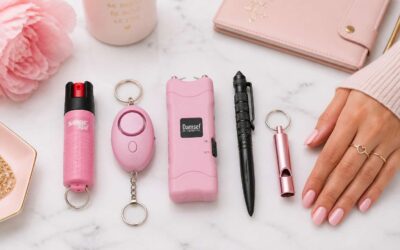
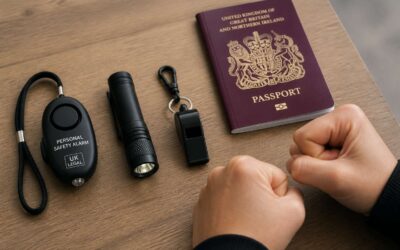
Common self defence tools in Australia include pepper spray, tasers, and personal alarms—each a whisper of warning designed to incapacitate or alert. Pepper spray, for instance, is praised for its incapacitating effect on an attacker’s eyes and respiratory system, providing a crucial seconds-long advantage. Tasers deliver a stunning jolt, often enough to neutralize a hostile threat without permanent harm. Meanwhile, personal alarms, when activated, emit a piercing scream that alerts nearby assistance—an invisible shield that invites help before violence unfolds.
These devices, accessible and straightforward to use, empower individuals with immediate protection—an essential supplement to martial arts or combat skills. For those navigating self defence Australia, understanding the legal framework surrounding these tools is paramount, ensuring safety is exercised within the bounds of the law. As shadows may lurk in every corner, so too do these non-lethal innovations serve as modern guardians—silent, swift, and unwavering in their purpose.
Self Defence Apps and Technology – The role of mobile apps, GPS trackers, and personal security devices
In a world where technology seamlessly intertwines with daily life, self defence Australia has evolved beyond traditional tools to embrace innovative solutions. Mobile apps designed specifically for personal safety have become an integral part of modern self defence strategies. These applications offer instant access to emergency contacts, safety tips, and even real-time alerts that can be shared with friends or security services at a tap of a button.
Advancements in GPS tracking and personal security devices have expanded the scope of self defence Australia. Devices equipped with GPS enable loved ones or security teams to monitor your location effortlessly, providing peace of mind in unfamiliar environments. Wearable technology—such as discreet panic buttons or smart jewelry—offers silent communication avenues for those in vulnerable situations.
Furthermore, some apps feature virtual escort functions, guiding individuals safely home through geofenced routes, or alerting nearby users if assistance is needed. These digital innovations embody a new frontier of safety, transforming self defence from an isolated act into a community effort—strengthening resilience with every tap and signal.
Choosing the Right Self Defence Equipment
Legal Considerations – What is legally permissible in Australia when selecting self defence tools
In the realm of self defence australia, understanding the legal parameters isn’t just wise—it’s essential. Australian law meticulously delineates what constitutes lawful self defence and what crosses the line into illegal retaliation. It’s a fine line, often blurred by adrenaline and instinct. When selecting self defence tools, knowledge of what is legally permissible can mean the difference between safety and legal repercussions.
Legally, only non-lethal self defence devices are typically allowed in Australia, such as personal alarms, pepper sprays, and tasers. However, possession and use are heavily regulated. For instance, pepper spray is classified as a prohibited weapon in most states, and carrying it without a valid reason invites penalties. Understanding the difference between permissible self defence equipment and prohibited objects is crucial for staying within Australia’s tight legal boundaries.
That’s why exploring the list of legal self defence tools in Australia is a must. Carefully considering options, especially those that meet the criteria of non-lethal self defence devices, ensures compliance with regulations while maintaining your safety. Ignorance of the law can have serious consequences—so always verify what’s allowed in your state—because in Australia, self defence choices are not just about personal safety but also about respecting the law’s fine print!
Effectiveness and Ease of Use – Comparing different devices for practicality and power
Choosing the right self defence equipment in Australia is about balancing practicality with enough power to deter an attacker. It’s tempting to opt for devices that are flashy or high-tech, but simplicity and ease of use often trump complexity in moments of crisis. When seconds count, you want a tool that’s instinctive to operate—minimal fumbling, maximum effectiveness. Think about compact personal alarms or tasers that deliver a quick, aimed burst when needed most.
Consider your unique environment and personal comfort with each device. For example, pepper spray might seem effective, but its legal restrictions in Australia mean you need to be certain it’s permissible and easily accessible. The key is to find a device that offers reliable protection without sacrificing legal safety or ease of deployment.
- Ease of Use: The tool should be straightforward—no complicated mechanisms or lengthy activation procedures.
- Power: It needs enough force to stop an aggressor without crossing into lethal territory, aligning with the legal standards of self defence Australia.
- Portability: Lightweight and compact equipment effortlessly fits in your pocket or bag, always ready at hand.
Ultimately, the ideal self defence tool marries effectiveness with simplicity, empowering you to react confidently when every second matters. In the land of self defence Australia, choosing wisely isn’t just about feeling secure—it’s about staying within a legal and practical framework that protects you at every turn.
Cost and Accessibility – Budget-friendly options versus premium equipment
When it comes to safeguarding oneself in Australia, financial considerations often shape the decision-making process just as much as perceived efficacy. The spectrum of self defence Australia options ranges from modest, budget-friendly alternatives to premium, technologically advanced devices. For many, affordability is the critical factor — an underestimated yet powerful constraint that demands careful navigation.
Budget-friendly options, including compact personal alarms or basic pepper spray, provide accessible entry points into self defence Australia. These items, while economical, must meet stringent legal standards to ensure both safety and compliance. Conversely, premium equipment such as high-caliber tasers or multi-functional safety devices exemplify the pinnacle of technological innovation, often boasting enhanced durability and features.
Ultimately, the optimal choice hinges on an individual’s unique environment, comfort, and financial bandwidth. Balance the cost with accessibility and legal safety—an essential triad when selecting self defence Australia tools that empower without compromising the rule of law.
Where to Purchase Self Defence Products – Reliable suppliers and online stores in Australia
Choosing the right self defence equipment demands more than mere instinct or impulse; it requires discernment rooted in clarity and purpose. In a land where safety is a daily consideration, selecting trusted, reliable suppliers and online stores in Australia is paramount. These sources serve as gateways—bridging the gap between desire and actual protection. Reputable vendors often carry certified personal alarms, legally compliant pepper spray, and state-of-the-art tasers, all tailored for the Australian landscape.
Where to purchase self defence products is a question of integrity and assurance. Seek out established retailers that adhere to stringent Australian safety standards, such as dedicated online platforms specializing in self defence gear or local stores with expert staff. For those who prefer convenience and discretion, numerous online stores offer secure shopping, detailed product descriptions, and swift delivery, ensuring your safety is never compromised.
To navigate this terrain, consider a trusted list of suppliers that uphold quality and compliance—because in the pursuit of security, reliability is the ultimate safeguard.
Tips for Proper Usage and Maintenance – Ensuring your self defence tools are always ready and functional
Choosing the right self defence equipment in Australia isn’t just about grabbing the flashiest tool or the latest gadget. It’s about ensuring your safety is built on a foundation of reliability and purpose. Proper usage and diligent maintenance of your self defence tools can make all the difference in critical moments—when seconds could mean the difference between danger and safety. Regularly inspecting your equipment ensures it remains functional and ready for action, safeguarding your confidence in stressful scenarios.
To keep your self defence Australia gear in peak condition, follow these essential steps:
- Store devices in a secure, accessible location, away from extreme temperatures and moisture.
- Periodically test gadgets such as personal alarms and tasers, making sure their batteries are charged and functioning correctly.
- Read and revisit the user manuals—familiarity with operation fosters swift, instinctive action in emergencies.
Remember, consistency in maintenance preserves the integrity of your self defence arsenal. Whether it’s a legally compliant pepper spray or a state-of-the-art personal alarm, ensuring they work when needed takes discipline and a proactive mindset. This commitment transforms your safety gear from mere accessories into trustworthy allies defending your peace of mind across Australia’s diverse landscape.
Self Defence Strategies and Awareness
Situational Awareness and Personal Safety Tips – How to stay alert and prevent dangerous situations
In a world where uncertainty lurks around every corner, mastering self defence australia is more than a skill—it’s a vital shield of confidence. Cultivating situational awareness transforms you into a vigilant wanderer, attuned to the subtle shifts in your environment that signal potential danger. This heightened state of alertness can mean the difference between a threatening encounter and the peaceful continuation of your day. As the saying goes, “You don’t have to be a hero—just aware enough to avoid becoming a victim.”
Personal safety tips emphasize the importance of staying present and noticing odd behaviours or unfamiliar faces. Sometimes, simply maintaining a confident posture and making eye contact can deter an attacker. Incorporating practical measures, such as regularly using self defence apps and carrying non-lethal self defence devices—like personal alarms or pepper spray—can bolster your safety arsenal. Remember, the goal is to prevent danger before it escalates. Staying vigilant, combined with well-honed self defence strategies, forms the bedrock of security for individuals across Australia, empowering them to navigate their daily lives with resilience and peace of mind.
De-escalation Techniques – Methods to calm down or avoid conflicts
In the realm of self defence Australia, every encounter is a dance between awareness and action. Knowing how to de-escalate potential conflicts can be the bridge between peace and peril. One effective method is maintaining a calm and confident demeanor, which often dissuades aggressors from advancing. A gentle yet assertive tone can redirect a confrontational situation, fostering a sense of control that discourages violence.
Additionally, understanding verbal and body language de-escalation techniques offers a powerful tool in your safety arsenal. Responding with empathy and clarity can often defuse tensions before they escalate. For those serious about self defence in Australia, integrating proactive strategies like setting clear boundaries or using assertive language enhances your ability to stay safe. Sometimes, the most effective defence is the ability to walk away unscathed, turning potential threats into non-violent resolutions.
Emergency Response Planning – Creating a safety plan for yourself and loved ones
In a country where personal safety often feels like navigating a labyrinth of bureaucratic red tape, having a robust self defence strategy is no longer just an option—it’s a necessity. Creating a comprehensive emergency response plan for yourself and loved ones can be the difference between a harrowing ordeal and a quick escape. The goal? To develop a safety net so tight that potential predators are deterred before they even think about coming close.
Start by mapping out escape routes and establishing signals or codes with family members. It’s like assembling an invisible security squad, ready to act at a moment’s notice. Incorporating practical self defence tactics, such as situational awareness and easy-to-use devices, ensures you’re always prepared. Remember, in Australia, where self defence laws have their quirks, being proactive and having a well-thought-out plan keeps you ahead of the curve and your peace of mind intact.
To make your safety plan more effective, consider these steps:
- Identify safe zones around your home or workplace.
- Designate designated safe contacts who can assist in emergencies.
- Practice routine drills that include utilizing self defence apps or devices for instant alerts.
In the end, crafting a safety plan transforms vague notions of security into actionable steps, turning potential threats into mere ghost stories. After all, in self defence Australia, awareness paired with preparation is the ultimate shield against unpredictability.
Legal and Ethical Considerations – Understanding when and how to defend yourself responsibly
When it comes to self defence Australia, understanding the legal and ethical boundaries is crucial. The line between defending yourself and crossing into excessive force can be thin—like walking on a kangaroo’s tail in a mirror maze. Knowing exactly when and how to respond helps you stay on the right side of the law and avoid unnecessary legal drama. Responsible self defence isn’t just about wielding pepper spray like a superhero; it’s about exercising restraint and awareness at every turn.
Moreover, choosing the right self defence tools involves a delicate dance between effectiveness and legality. Australian law primarily permits non-lethal devices such as personal alarms and tasers, but with strict limits. You must be confident in how these tools work; otherwise, they’re just expensive paperweights—hardly a confidence booster. Incorporating situational awareness and ethical self defence tactics into your routine enhances safety without risking legal fallout. Remember, the goal in self defence Australia is to protect yourself—nothing more, nothing less—while respecting personal and legal boundaries.

0 Comments