
Understanding Self Defence
Definition and Importance of Self Defence
In a world where unpredictability lurks around every corner, understanding what self defence is can be a beacon of empowerment. At its core, self defence is not merely about physical tactics; it’s a vital life skill that fosters confidence and resilience. It transforms fear into strength, equipping individuals with the tools to navigate threatening situations with clarity and purpose.
More than just a set of moves, self defence is a mindset—an awareness that can turn the tide in moments of peril. Its importance in South Africa is undeniable, given the rising need for personal safety amidst complex social dynamics. Engaging in self defence training cultivates a sense of control, allowing you to respond rather than react. This knowledge becomes a powerful shield, a silent promise that you are prepared to face lurking danger with courage and calmness.
- Increased confidence and personal security
- Enhanced situational awareness
- Empowerment to protect oneself and others
- Development of mental resilience in stressful situations
Legal Aspects of Self Defence
In the realm of personal safety, understanding the legal landscape surrounding self defence is as vital as mastering physical techniques. South African law recognizes the right to protect oneself, but it also sets boundaries—ensuring that the force used is proportional to the threat faced. This delicate balance transforms the act of self defence into a nuanced dance of judgment and restraint.
It’s essential to remember that self defence is not an invitation to retaliate or escalate violence. The law typically permits force only when there is an immediate danger, and the response must be reasonable under the circumstances. To navigate this complex terrain, one must be aware of the legal principles that underpin self defence in South Africa.
- The threat must be imminent; there’s no room for pre-emptive action.
- The force employed should correspond to the level of danger encountered.
- Retreat or de-escalation should be considered first when possible.
Understanding these legal nuances ensures that self defence is exercised responsibly and within the bounds of the law, turning protection into a shield rather than a source of legal peril. When approached with awareness and respect, self defence becomes a powerful assertion of personal sovereignty—grounded in legality and moral clarity. It’s a vital aspect of personal security, especially in South Africa’s complex social landscape.
Historical Evolution of Self Defence Tactics
Throughout history, the art of self defence has evolved like a river carving its path through ancient landscapes—steadily shaping tactics that respond to ever-changing threats. From primitive hand-to-hand combat to sophisticated martial arts, each era reflects society’s shifting understanding of personal safety. In South Africa’s complex social fabric, where threats can emerge unexpectedly, the development of self defence tactics has become a dance of adaptation and ingenuity.
In the early days, self defence was rooted in raw instinct, a primal response to immediate danger. As societies advanced, so too did the techniques—incorporating weapons, strategic movement, and psychological resilience. Today, modern self defence is a tapestry woven with diverse disciplines, from Krav Maga to situational awareness training, each designed to empower individuals against unpredictable violence.
Understanding the historical evolution of self defence tactics reveals how this vital skill has transformed from mere survival into a sophisticated art form. It’s not just about physical prowess but also about cultivating awareness, restraint, and adaptability—elements that remain at the heart of effective self defence.
Types of Self Defence Techniques
Verbal Self Defence Strategies
When it comes to self defence is not just about physical strength; it’s about strategy and mental resilience. Verbal self defence strategies are often overlooked, yet they can be incredibly effective in de-escalating potentially dangerous situations. Knowing how to use your words confidently can sometimes prevent an altercation before it escalates to physical violence.
Practical verbal self defence strategies include maintaining a calm tone, setting clear boundaries, and using assertive language. These techniques can buy valuable time and help you project confidence, which may discourage an attacker. For example, simply stating, “Back off, I don’t want any trouble,” can sometimes be enough to deter a threat. Mastering these skills is essential, especially in environments where physical self defence is not always feasible or advisable.
In addition, understanding the power of body language combined with verbal cues enhances your overall self defence is. It’s about creating a presence that signals you’re not an easy target. Sometimes, words alone are enough to prevent a confrontation, proving that self defence is as much about mental preparedness as it is about physical agility.
Physical Self Defence Moves
When danger strikes, relying solely on physical self defence moves isn’t enough—your training must encompass practical techniques that can turn the tide in your favor. Physical self defence moves for self defence is about more than brute strength; it’s about precision, timing, and understanding vulnerable points.
Some of the most effective physical self defence techniques include strikes to vital areas, joint locks, and evasive maneuvers. These moves are designed to incapacitate an attacker quickly, giving you a crucial window to escape. A common but powerful move involves targeting the nose or throat with a quick jab, followed by a swift retreat. Mastering these techniques requires consistent practice and awareness of your surroundings.
Incorporating a mix of skills, such as
- punches
- kicks
- defensive blocks
enhances your overall preparedness. Remember, self defence is not just about overpowering an opponent, but about creating an opportunity to get to safety. The right combination of physical self defence moves can be the difference between confrontation and escape, especially in high-stakes situations.
Use of Self Defence Tools and Devices
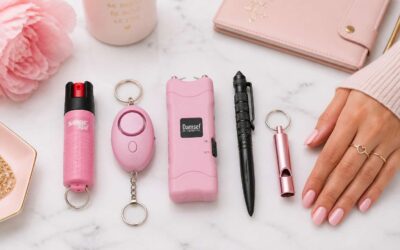
When it comes to self defence is, it’s not just about throwing punches and hoping for the best. There are various techniques and tools designed to give you an edge when danger lurks around the corner. Using self defence tools and devices can transform an unpredictable situation into a manageable encounter. From pepper spray to personal alarms, these gadgets are compact, discreet, and surprisingly effective.
Some of the most popular self defence devices include:
- Pepper spray — a classic for a reason, it temporarily blinds and disorients attackers.
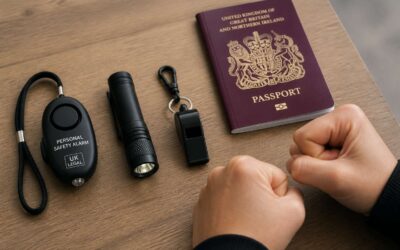
- Personal alarms — loud and attention-grabbing, they can draw help when needed most.
- Stun guns — delivering a high-voltage shock, they incapacitate swiftly.
In addition to tools, different self defence techniques can be combined with these devices for maximum impact. Whether it’s using a tactical flashlight to blind an attacker or a whistle to call for help, the right mix of self defence is all about preparedness. Remember, the goal isn’t to become a martial arts master overnight but to leverage practical, effective methods that can turn the tide in your favor—because sometimes, a well-placed pepper spray spray beats a fist fight every time!
Self Defence Training and Education
Finding the Right Self Defence Classes
In a world where unpredictability lurks like shadows in the night, embracing self defence is more than a choice—it’s a vital shield of empowerment. Finding the right self defence classes can be a transformative journey, where each lesson becomes a chapter in your personal saga of resilience. It’s not merely about learning moves; it’s about cultivating confidence, awareness, and a fierce sense of security.
When searching for the ideal self defence training, consider programs that blend practical techniques with mental fortitude. Look for classes that emphasize real-world scenarios, fostering instincts that are both swift and precise. Here’s a simple guide to help you navigate this terrain:
- Assess the credentials and experience of instructors—expertise is crucial.
- Ensure the curriculum includes both physical moves and situational awareness.
- Opt for classes tailored to your age, fitness level, and specific safety concerns.
Remember, self defence is not solely about physical prowess; it’s about empowering oneself to face life’s uncertainties with courage and clarity. The right training can turn fear into resilience, transforming vulnerability into strength—a vital step in reclaiming your space in this vibrant, sometimes tumultuous world.
Benefits of Self Defence Training
Self defence training extends far beyond physical techniques; it cultivates a mindset poised for resilience in the face of adversity. When you commit to self defence is, you embark on a journey that sharpens your mental acuity and instills a proactive approach to safety. The benefits of this training ripple into everyday life, heightening your awareness and equipping you with the confidence to navigate unpredictable environments confidently.
Engaging in structured self defence education offers tangible advantages. It enhances reaction times, improves physical fitness, and builds mental toughness—all crucial elements in real-world confrontations. Participants often report feeling more empowered, transforming fear into a sense of mastery over their personal safety. This empowerment isn’t just theoretical; it’s rooted in practical skills that can be applied instantly when needed.
- Increases situational awareness to detect threats early.
- Develops instinctive responses that can prevent escalation.
- Builds confidence to face challenging situations with clarity and calmness.
Ultimately, self defence is a comprehensive discipline that fosters a resilient attitude, ensuring individuals are prepared for life’s uncertainties. The true benefit lies in turning vulnerability into strength—an invaluable asset in the contemporary world where safety remains a paramount concern.
Online versus In-Person Self Defence Courses
Self defence is a vital skill in today’s unpredictable world, and choosing the right training format can make all the difference. Online self defence courses offer unmatched flexibility, allowing learners to access expert instruction from the comfort of their homes. This convenience is particularly appealing for busy professionals or those in remote areas of South Africa, where local classes may be limited.
However, in-person self defence courses provide a different depth of experience. The tactile feedback from instructors and real-time practice with partners can accelerate skill acquisition and boost confidence faster. For those seeking a more immersive experience, face-to-face training creates an environment where instincts are sharpened through live drills and scenarios that mirror real threats. Both formats have their merits, but the choice ultimately hinges on personal learning style and safety priorities.
Some programs blend the two, offering online theoretical modules supplemented by hands-on workshops, ensuring learners gain comprehensive self defence is knowledge and practical application. Whether online or in-person, the goal remains the same: empowering individuals to turn vulnerability into strength, prepared for whatever lies ahead.
Self Defence Tips for Different Scenarios
Self Defence at Night
Nighttime transforms familiar streets into shadows where danger lurks in unexpected corners. Self defence is not merely about physical moves; it’s about mental preparedness and heightened awareness that can mean the difference between safety and catastrophe. When darkness cloaks your surroundings, your senses must sharpen, and your instincts should override hesitation. The key is to stay alert, avoid distractions, and trust your gut feelings—these are often the first line of defence.
In low-light situations, practical self defence tips include maintaining eye contact with potential threats and using your voice confidently to deter an attacker. If you find yourself in a vulnerable position, consider the effectiveness of a few targeted self defence techniques, such as striking vulnerable areas quickly and decisively. Remember, the goal is to create an opportunity to escape, rather than to engage in a prolonged confrontation. Being mentally prepared and aware can help you navigate night encounters with resilience and clarity.
Self Defence in Public Places
In bustling South African cities, where the vibrancy of life often masks lurking danger, understanding self defence in public places is not just prudent—it’s essential. Whether you’re navigating crowded markets or hurriedly making your way through a park, the unpredictable nature of urban life demands constant vigilance. Self defence is as much about mental agility as it is about physical readiness, allowing you to swiftly adapt to unforeseen threats.
When confronted in a public setting, maintaining composure can be your most potent shield. A confident stance and clear, assertive voice often dissuade potential aggressors. Should the situation escalate, consider employing strategic self defence moves that target vulnerable areas—quick, decisive strikes that create an opportunity for escape. Remember, the goal is to disengage swiftly, not to engage in a prolonged altercation. Practical self defence tips such as situational awareness, eye contact, and using your environment to your advantage can turn the tide in your favour. Self defence is not a mere reflex but a mindset—an essential skill for thriving safely in the vibrant, unpredictable tapestry of South African life.
Self Defence at Home
In the sanctuary of your home, self defence takes on a different dimension—one where awareness and preparation are paramount. Recognizing the potential risks lurking behind closed doors can empower you to act swiftly and decisively. When faced with a threat indoors, staying calm and composed is vital; panic can impair judgment and delay response time. Self defence is as much about mental resilience as it is about physical readiness, creating a protective mindset that anticipates danger before it manifests.
To enhance your safety, consider implementing basic yet effective strategies. For example, ensure all entry points are secure, and keep a phone within reach at all times. If an intruder does breach your space, employing strategic moves targeting vulnerable areas—such as the eyes or throat—can provide a crucial advantage. Remember, the goal is to neutralize the threat swiftly and escape if possible. Practical self defence tips tailored for home scenarios might include:
- Locking doors and windows at all times
- Using personal alarms or loud noises to deter intruders
- Having a designated safe space where you can retreat and call for help
Self defence is not merely a reactive skill but a proactive stance that transforms your approach to personal safety—particularly within the intimate confines of your home in South Africa’s complex landscape. The art of self defence at home is about cultivating a vigilant, prepared mindset that turns the environment into an ally rather than a vulnerability.
Self Defence Products and Equipment
Best Self Defence Devices for Women
In today’s unpredictable world, choosing the right self defence products and equipment can be a game-changer. For women especially, having access to the best self defence devices can mean the difference between safety and danger. These tools are designed to be compact, easy to carry, and highly effective in high-stress situations. Many modern self defence devices combine innovation with practicality, making them essential additions to any personal safety arsenal.
When selecting self defence products, durability and ease of use are paramount. Popular options include pepper spray, tactical flashlights, and personal alarms. For those seeking maximum security, some recommend self defence devices such as stun guns or compact foldable knives. Here are some of the best self defence devices for women:
- Pepper Spray – a classic, reliable option that can incapacitate an attacker temporarily.
- Personal Alarm – emits a loud sound to attract attention and deter an assailant.
- Stun Gun – delivers an electric shock, providing an immediate opportunity to escape.
- Self Defence Keychains – discreet and stylish, often combining multiple tools in one.
Investing in high-quality self defence equipment is an empowering step toward personal safety. The right devices not only provide peace of mind but also ensure that women can confidently navigate public spaces, night-time outings, or even everyday errands with added security. The key is choosing tools that blend seamlessly into daily life while offering maximum protection when needed.
Pepper Spray and Mace
In a world filled with uncertainties, having the right self defence products can turn the tide in your favour. Pepper spray and mace stand out as classic, reliable tools that are favored worldwide, including South Africa. Their potency lies in their simplicity—just a quick spray, and an attacker’s vision and breathing can be severely impaired, giving you precious seconds to escape. These devices are small enough to fit comfortably in your bag or pocket, yet powerful enough to provide peace of mind whenever you step outside.
For added security, many women prefer self defence keychains that combine multiple tools into a discreet accessory. These often include pepper spray, a small flashlight, and a personal alarm, creating a versatile safety arsenal in one stylish package. When choosing self defence is, remember that durability and ease of use are vital. The ability to deploy your pepper spray or mace quickly in a moment of crisis can be the difference between safety and danger. With the right self defence products, confidence becomes your greatest shield in navigating urban landscapes and night-time outings alike.
Personal Alarms and Safety Apps
In an era where unpredictability lurks behind everyday interactions, the arsenal of self defence products and equipment can be a formidable barrier between safety and peril. Personal alarms, for instance, serve as a shrill call for help, startling an assailant while alerting nearby witnesses—an often underestimated yet profoundly effective tool in urban environments across South Africa. Paired with safety apps that leverage GPS tracking and instant emergency alerts, these digital innovations transform your smartphone into an extension of your security perimeter.
Moreover, modern self defence is no longer limited to traditional weapons. Compact, discreet devices like self defence keychains are increasingly popular, weaving multiple safety tools into a single, stylish accessory. These often feature pepper spray, a compact flashlight, and a personal alarm, forming a versatile safety ensemble that can be swiftly activated in moments of crisis. The convergence of technology and tangible self defence tools underscores a crucial truth: being prepared isn’t just about physical readiness; it’s about integrating tactical awareness with innovative safety solutions.
- Personal alarms emit piercing sounds that draw immediate attention, deterring attackers and rallying help in seconds.
- Safety apps provide real-time location sharing, ensuring loved ones and authorities can respond swiftly.
- Self defence keychains combine multiple tools into an accessible, everyday carry item that remains unobtrusive yet ready for action.
Ultimately, the essence of self defence is about fostering confidence—transforming fear into resilience through a judicious selection of cutting-edge and practical equipment. Whether it’s a discreet personal alarm or a high-tech safety app, these tools embody the proactive mindset necessary to navigate South Africa’s complex security landscape with assurance and poise. In this interconnected age, self defence is an evolving tapestry woven from technology, strategy, and instinct—an indispensable aspect of personal security that every individual should harness.
Benefits of Practicing Self Defence
Boosting Confidence and Empowerment
Practising self defence is more than just learning how to throw a punch or master a chokehold; it’s about reclaiming a sense of control in an unpredictable world. When you commit to self defence training, you’re essentially giving yourself a psychological shield that radiates confidence. It’s like upgrading your mental armor — suddenly, the shadows don’t seem quite so dark, and the streetlights feel a little brighter.
One of the most compelling benefits of self defence is the boost in confidence it provides. Knowing you have the skills to protect yourself transforms fear into empowerment. This newfound assertiveness spills over into everyday life, often making you appear more resilient and less of an easy target. Plus, it’s a proven fact that people who practice self defence are often quicker on their feet — literally and figuratively — when faced with unexpected situations.
In essence, self defence is a catalyst for personal empowerment. It reminds us that we are capable of defending our space and dignity, making us less vulnerable and more prepared to face whatever challenges come our way. Whether on the bustling streets of Johannesburg or the quieter corners of Cape Town, self defence isn’t just a skill — it’s a lifestyle that fosters resilience and confidence at every turn.
Enhancing Personal Safety
Practising self defence is a vital step toward enhancing personal safety. It equips individuals with practical skills to navigate unpredictable situations confidently. When you know how to respond effectively, you reduce vulnerability and increase your ability to deter or escape threats. This sense of preparedness can be a game-changer, especially in busy South African cities where safety concerns are real.
Moreover, self defence is more than just physical techniques—it’s about cultivating awareness and quick decision-making. People who practice self defence often develop a sharper instinct for recognizing danger, allowing them to act swiftly. This heightened vigilance acts as a protective barrier, making it harder for potential threats to succeed. By integrating self defence into your routine, you reinforce your personal safety and foster resilience in everyday life.
Ultimately, self defence is an empowering tool that transforms fear into confidence. It encourages proactive measures and enhances your ability to protect yourself and loved ones in any environment. Whether in urban settings or quieter neighborhoods, the benefits of self defence are undeniable—making it a crucial aspect of personal security in South Africa today.
Mental and Physical Health Benefits
Practising self defence is more than just acquiring physical skills; it has profound benefits for both mental and physical health. When individuals engage in self defence training, they often experience a significant boost in confidence, which can positively influence all areas of life. This increased sense of empowerment helps reduce anxiety and fosters a resilient mindset—crucial traits in unpredictable environments like South African cities.
Physically, self defence is an excellent way to improve strength, flexibility, and cardiovascular health. Regular practice promotes endurance and coordination, making it easier to handle stressful situations with clarity and calmness. Moreover, engaging in self defence exercises stimulates the release of endorphins—the body’s natural mood lifters—resulting in better mental health and reduced stress levels.
For those seeking holistic well-being, consider this: self defence training often incorporates mindfulness and situational awareness, sharpening your instincts and fostering a sense of control.
- Enhanced confidence
- Improved physical fitness
- Stress reduction
These benefits illustrate why self defence is a vital component of personal development, especially in environments where safety concerns are a daily reality. Embracing self defence is, in essence, an investment in oneself—cultivating resilience, health, and a proactive approach to personal security in South Africa’s diverse landscape.
Common Myths About Self Defence
Self Defence is Only for Women
Many people believe that self defence is only for women, but this is a common myth that can be dangerously misleading. In reality, self defence is a vital skill for everyone, regardless of gender, age, or physical ability. Threats can come unexpectedly, and knowing how to protect oneself is about more than just physical moves; it’s about mental preparedness and confidence.
Some assume that self defence is unnecessary for men or young boys, but the truth is that anyone can become a target. The idea that self defence is solely for women often discourages men from learning essential safety tactics, leaving them vulnerable in dangerous situations.
To dispel this myth, it’s helpful to understand that self defence is a universal tool designed to empower all individuals to stay safe. Whether you’re walking alone at night or navigating crowded public spaces, the knowledge that self defence is for everyone can be a game-changer.
Physical Fitness is a Must
One of the most pervasive myths about self defence is that physical fitness is a prerequisite for effective self protection. Many believe you need to have a background in martial arts or be in peak physical condition to defend yourself successfully. This couldn’t be further from the truth. Self defence is about more than brute strength—it’s about strategy, awareness, and confidence. Even individuals with limited physical ability can learn techniques that leverage their surroundings and body mechanics to escape danger.
While physical fitness can enhance your ability to execute certain moves, it’s not the sole determinant of self defence success. Instead, mental preparedness and situational awareness are often more crucial. Proper training can teach you how to use everyday objects as defensive tools or how to remain calm under pressure. Remember, self defence is a skill that empowers everyone, regardless of age or fitness level, to stay safe in unpredictable situations.
- Strength does not equate to safety
- Awareness and quick thinking are vital
- Self defence techniques are adaptable to all fitness levels
Self Defence Guarantees Safety
Many believe that self defence is a surefire guarantee of safety, but that assumption couldn’t be more misleading. The reality is that no single technique or tool can promise protection in every situation. The myth persists that physical strength alone determines the outcome, yet true self defence is rooted in awareness, mental agility, and strategic thinking. These qualities often make the difference between danger and escape.
Furthermore, some think that self defence is only necessary for specific demographics, such as women or the elderly. In truth, self defence is a universal skill—an empowering resource available to all. It’s not about waiting for danger to strike but about cultivating confidence and preparedness. When approached with the right mindset, self defence becomes a versatile, adaptable skill that enhances personal safety regardless of age, fitness level, or circumstance.
Resources and Support for Self Defence
Local Self Defence Workshops and Seminars
Empowering communities through local self defence workshops and seminars is a proven way to boost personal safety. These resources provide practical skills and knowledge tailored to specific environments, making self defence is more accessible for everyone. Attending in-person sessions offers the advantage of real-time feedback, helping participants develop confidence and muscle memory quickly.
Many local centres in South Africa offer self defence is courses designed for all ages and fitness levels. These workshops often include the latest self defence tools and devices, ensuring participants are prepared for different scenarios. To make the most of these resources, consider exploring a variety of options and joining community-led seminars. They not only teach physical techniques but also instil mental resilience, which is crucial for real-world situations.
- Community self defence classes
- Specialized seminars for women and seniors
- Self defence is tailored to urban and rural settings
Taking advantage of these local resources can be a game-changer—empowering you to protect yourself and those around you with confidence and clarity. Remember, self defence is not just about physical moves; it’s about cultivating awareness, mental strength, and preparedness in everyday life.
Online Resources and Tutorials
In an unpredictable world, access to resources and support for self defence is more vital than ever. Online tutorials and resources have revolutionized how individuals can learn essential safety techniques from the comfort of home. The digital landscape offers a wealth of information, from step-by-step videos to comprehensive guides, making self defence is accessible to everyone, regardless of location or schedule.
Whether you’re a beginner or looking to sharpen your skills, online platforms provide tailored content that covers various scenarios, including urban and rural environments. For example, many websites feature tutorials on using self defence tools and devices effectively, empowering you to respond confidently in emergencies. To enhance your learning, consider exploring resources that include:
- Video demonstrations of physical self defence moves
- Interactive safety apps designed to alert authorities quickly
- Expert advice on mental resilience and situational awareness
Engaging with these online resources not only boosts your confidence but also cultivates a heightened sense of personal safety. The beauty of self defence is in its versatility—combining practical techniques with mental strength—making these digital tools an indispensable part of your safety arsenal.
Community Safety Programs
In a world that feels increasingly unpredictable, having access to resources and support for self defence is nothing short of essential. Community safety programs play a pivotal role in empowering individuals with practical skills and knowledge tailored to their unique environments. Whether you’re navigating bustling city streets or rural backroads, these initiatives foster a culture of vigilance and resilience.
Local self defence workshops and seminars are a cornerstone of community safety, offering hands-on training that complements online tutorials and resources. Participating in these sessions provides not only technical expertise but also a sense of solidarity. After all, a well-informed community is a safer community. Many programs also include educational talks on mental resilience, situational awareness, and legal considerations—making self defence is more than just physical moves; it’s a comprehensive approach to personal safety.
- Community-led self defence classes
- Neighborhood safety awareness campaigns
- Partnerships with local law enforcement
By engaging with these programs, individuals gain confidence, and communities build stronger bonds—both crucial ingredients in the recipe for personal safety. Resources and support for self defence are the backbone of a resilient society, ready to face the challenges of today’s unpredictable world with courage and clarity.

0 Comments