
Pepper Gun Legal: Scope and Definitions
What is a pepper gun and how does it differ from pepper spray
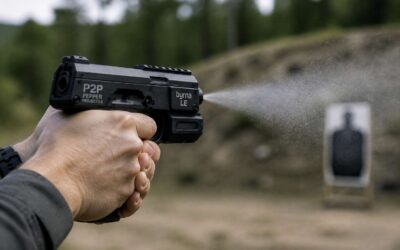
Pepper guns occupy a provocative crossroads between protection and policy, delivering precise irritation with a controlled burst. A pepper gun is a handheld device that propels a capsaicin-based irritant toward a target, unlike pepper spray that blankets a space in a cloud. “Non-lethal tools are redefining personal safety,” notes a South African security expert, and the pepper gun legal landscape mirrors that shift—careful, debated, evolving.
- Pepper gun: a targeted delivery tool emitting a pepper irritant through a controlled shot.
- Pepper spray: a broader aerosol cloud designed for wider exposure.
- Legal scope: how local statutes frame permissible use, training, and transport compliance.
Scope and definitions hinge on intent, capacity, and proximity rather than device form. In South Africa, pepper gun legal status is shaped by whether the tool is treated as a controlled firearm or as a personal-defense device—an interpretation that keeps evolving with policy and case law. The definitions above illuminate how professionals and the public discern permissible use versus regulatory boundaries.
Common types of pepper guns (CO2, pneumatic, handheld)
The pepper gun legal landscape in South Africa sits at a provocative crossroads between protection and policy. Non-lethal tools are redefining personal safety, a South African security expert says, and the pepper gun’s precise delivery shapes its regulatory fate. Scope hinges on intent, capacity, and proximity more than the device’s look.
Common types of pepper guns (CO2, pneumatic, handheld) illustrate how the law negotiates use, transport, and storage. In practice, pepper gun legal status can flip based on whether a device is treated as a controlled firearm or as a personal-defense tool—interpretations that shift with policy and case law.
- CO2-powered pepper guns
- Pneumatic pepper guns
- Handheld pepper guns
Key terms you should know (OC, capsicum, launch methods)
Pepper gun legal considerations sit at a charged intersection of self‑defense and policy in South Africa. A South African security expert notes, “Protection without escalation demands precise definitions.” The scope hinges on intent, proximity, and device capacity, not just appearance. Key terms to know include OC, capsicum, and launch methods, which shape how a tool is interpreted by courts and regulators. These terms frame how regulators interpret use, storage, and transport, and why policy can shift with societal tensions rather than fashion. Understanding pepper gun legal scope hinges on intent, proximity, and capacity, not mere form. The status rests on practical use and responsible handling more than the device’s outward look.
Scope and definitions aren’t mere semantics; they shape transport, storage, and who may carry what, where. In South Africa, policy shifts with lived reality, and the line between personal defense and firearm regulation remains the hinge.
Typical situations where pepper guns are used legally
“Protection without escalation demands precise definitions.” In South Africa, pepper gun legal distinctions hinge on intent, proximity, and device capacity—far more than its sleek silhouette. This is where those distinctions take shape, guiding how regulators interpret use, transport, and storage.
Typical legal situations include:
- Close-quarters self-defense with an imminent threat, where non-lethal options are appropriate.
- Professional or private security roles, where lawful use is paired with compliant storage and transport.
- Deterrence in public spaces, where local by-laws permit non-lethal devices and clear intent is shown.
Federal vs State Law Overview
Overview of federal regulations affecting pepper guns
In the labyrinth of law, a single statute can redraw the map between restraint and risk. The federal framework looms like a cathedral, yet pepper gun legal status shifts with each state’s whisper, and the reader feels both gravitas and shadow in the margins.
Across the federal landscape, three pillars govern the terrain:
- Classification and permissible uses (Are devices treated as nonlethal weapons, irritants, or sporting goods?)
- Commerce, transport, and import/export controls (Interstate shipping and cross-border considerations)
- Enforcement, preemption, and local variation (States may carve exceptions or restrictions beyond federal rules)
For readers in South Africa, the lesson resonates: national policy shapes, but provincial and municipal rules sharpen the edge. The balance between security and sovereignty remains delicate, a corridor where pepper gun legal status can shift with the next vote!
State-by-state variations you must know
Federal classifications steer the map, yet pepper gun legal status shifts with the wind of state policy. Across the federal landscape, three pillars—classification and permissible uses, commerce and transport controls, enforcement and preemption—shape how these devices travel and stay within limits. In practice, readers encounter a patchwork where one jurisdiction prizes nonlethal self-defense, while neighbors treat pepper guns with tighter caveats.
State-by-state variations you must know:
- Permissive regimes with broad allowances
- Licensing, permit, or registration requirements
- Outright bans or strict transport rules
For readers in South Africa, these patterns echo national-local dynamics, a reminder that policy tides and local votes sharpen the edge.
Local ordinance considerations and potential bans
Self-defense choices are evolving: a recent survey found that 63% of adults view legality as the top factor when considering any personal defense tool, and pepper gun legal realities are part of that calculus.
Federally, the classification and permissible uses set a baseline, yet state and local authorities can sculpt the practical reality—often with preemption gaps that create a patchwork. It’s a reality check for how pepper tools are carried day to day. For readers in South Africa, imagine national policy colliding with city bylaws, shaping everyday carriage and uses.
- Federal posture vs local ordinances shapes carriage and use
- Local preemption can ban even otherwise legal devices
- Enforcement, fines, and transport rules affect daily life
These dynamics matter more than glossy marketing; enforcement and storage considerations determine when a device stays in your pocket or on the shelf.
How law changes impact ownership and carrying rights
A recent survey shows 63% of adults weigh legality above all else when considering any personal defense tool. Federally, a baseline exists for pepper devices, yet state lawmakers craft the practical reality. Pepper gun legal status can shift with each new rule, and local authorities often add their own twists. For readers in South Africa, imagine national policy colliding with city bylaws that shape everyday carriage and uses—a drama of rules that never fully align.
As laws evolve, ownership and carrying rights can rise or fall with a single vote or ruling. Local preemption can ban devices that are legal elsewhere, and enforcement, fines, and transport rules color daily decisions. The pepper gun legal landscape thus hinges on a delicate balance between federal posture and local sovereignty, turning intent into practical consequence every day.
Permits, Licenses, and Compliance
Do you need a permit or license to own or carry
Understanding what makes pepper gun legal is the first act of responsible preparedness. In South Africa, the landscape of permits, licenses, and compliance evolves like a living code, reshaped by policy reviews and court interpretations. The aim is clear: tools that deter violence must be used within well-defined boundaries, not as free passes.
- National and provincial rules shape who can own or carry and under what conditions
- Storage, transport, and safe-handling requirements support ongoing compliance
Staying current with changes and engaging legal authorities when questions arise keeps ownership steady and lawful. The saga favors diligence over bravado; the lawful path preserves safety, trust, and peace of mind.
Storage and transport requirements you should follow
Legal safety devices carry a weighty responsibility, and in South Africa the rules loom like guardians in a mythic archive. The landscape shifts with policy reviews and court interpretations, demanding diligence from every owner who seeks lawful protection and peace of mind.
Permits, licenses, and compliance are the threads weaving this fabric. National and provincial rules define who may own or carry and under what conditions, while formal storage and safe-handling expectations anchor responsible use. The pepper gun legal framework aims to deter violence within defined boundaries.
Storage and transport requirements you should follow:
- Keep the device locked in a sturdy container when not in use.
- Transport safely in a secure, closed compartment to prevent accidental access.
- Store away from children and out of reach in a controlled environment.
Staying aligned with authorities keeps this pepper gun legal landscape steady.
Safety training and mandatory certifications
Across South Africa, the path to pepper gun legal status is a careful, shadowed rite of verification. Permits, licenses, and strict compliance form the gateways of lawful protection; safety training and mandatory certifications anchor every owner in responsible practice. The landscape shifts with policy reviews and court interpretations, demanding steady diligence. To remain within the law, individuals must navigate national and provincial rules that govern who may own or carry and under what conditions.
Safety training and mandatory certifications anchor compliance in everyday practice. The following pillars shape the framework:
- Mandatory safety training and formal certifications tied to licensing regimes
- Regular competency assessments to verify ongoing proficiency
- Renewals aligned with regulatory updates
Across the arch and in the quiet corridors of authority, the pepper gun legal status rests on such steadfast governance.
Registration, inspection, and record-keeping requirements
As the sun drifts over Cape Town, the pepper gun legal landscape tightens around ownership like a locked vault. Across provinces, permits and licenses gate access, with compliance registration tying every possession to an accountable ledger. Inspectors watch for meticulous record-keeping, and every transfer is traceable. In this framework, legality isn’t a sentiment—it’s a verifiable standard that shields communities and buyers alike.
- Permit applications and licensing regimes
- Compliance registration with provincial authorities for pepper gun legal status
- Regular inspections and audits
- Comprehensive record-keeping for storage, transfers, and maintenance
- Renewal timelines aligned with regulatory updates
If you navigate this maze with care, you’ll stay pepper gun legal; noncompliance risks penalties and suspension of rights.
Maintenance and inspection intervals for compliance
Permits and licensing form the gate under which every pepper gun legal item must pass in South Africa. Provincial authorities operate regimens linking each possession to a formal ledger. The law is a measured standard, not a mood—keeping communities safe and buyers informed. These permits are trust, not trifles, binding owners to responsibility and accountability.
The practical scaffolding includes:
- Permit applications and licensing regimes
- Compliance registration with provincial authorities for status checks
- Regular inspections and audits
- Comprehensive record-keeping for storage, transfers, and maintenance
- Renewal timelines aligned with regulatory updates
Between audits, steady maintenance keeps the system breathing—calendar-led checks, updated storage protocols, and timely renewals ensure the equipment remains within the law’s orbit. When regulations shift, renewal windows move with them, preserving clarity and trust for buyers and communities alike.
Purchase, Use, and Carry Guidelines
Where to buy pepper guns legally and what to look for
In South Africa, safety is preparation, not luck. The pepper gun legal landscape is evolving as neighborhoods demand safer options. Understanding how to navigate purchasing with compliance in mind helps you act with confidence and reduce risk.
When evaluating where to buy pepper guns, look for credibility, documentation, and clear compliance signals. A careful buyer seeks sources that uphold standards, not just low prices.
- Licensed retailers and official distributors
- Clear product labeling and compliance certificates
- Warranty coverage and local service network
- Solid safety features and durable construction
Use guidelines emphasise responsibility. Ownership is part of a broader safety plan: store and transport components securely, seek training where available, and respect local carrying policies. Knowledge of rules helps maintain lawful, confident use in real-life scenarios.
Carrying pepper guns for self-defense: legal considerations
When you purchase, seek pepper gun legal options from licensed retailers and official distributors in South Africa. Verify documentation and labeling, and choose devices with warranty and a dependable local service network. A careful buyer acts with confidence, safety as compass in the marketplace.
- Licensed retailers and official distributors
- Clear labeling and compliance certificates
- Warranty and local service network
- Solid safety features and durable construction
Use guidelines emphasize responsibility in handling and training. Fire only in lawful self-defense circumstances; seek training where available; store components securely and transport compliant with local rules. In my experience, staying within pepper gun legal boundaries helps you act with measured confidence.
Carrying guidelines matter as much as the device itself. Know where you may carry, prefixing travel with compliance checks, and maintain ready access to documentation when asked by authorities. Keeping to pepper gun legal norms prevents missteps that could shadow your safety plan.
Safe handling, maintenance, and troubleshooting
When purchasing, choose licensed retailers and verify labeling; pepper gun legal standards frame every decision. In South Africa, responsible buyers insist on clear documentation, valid warranties, and a dependable local service network as part of the package.
For use, embrace safe handling and seek training where available. Maintenance rests on follow-up with authorized technicians and manufacturer guidance, not DIY tinkering. A robust support chain keeps you in compliance and ready when it matters.
- Regular inspections by an approved service network
- Manufacturer-approved cleaning and component checks
- Storage and transport aligned with local regulations
In troubleshooting, reach out to the official distributor for guidance and consult the manual. Avoid improvised repairs and keep your pepper gun legal documentation current. This disciplined approach preserves confidence when it matters most.
Use-of-force boundaries and post-incident steps
Purchase considerations in South Africa hinge on pepper gun legal compliance: buy only from licensed retailers, verify labeling and warranties, and confirm a dependable local service network as part of your package.
Use-of-force boundaries must guide every decision. Seek training, emphasize de-escalation, and respond proportionately. Post-incident steps focus on safety, reporting, and preserving evidence; stay within the law and your training.
- Assess threat levels calmly and retreat to safety when possible
- Apply only proportional force as a last resort
- Document the incident and consult licensed professionals for next steps
Carrying guidelines emphasize lawful storage and transport, secure containment, and regular review of documentation. After any incident, contact authorities promptly and retain records for audit and compliance.
Enforcement, Penalties, and Liability
Common penalties for illegal possession or use
Enforcement of pepper gun legal boundaries in South Africa is a real phenomenon, not a myth you tell at the range. SAPS and local bylaw officers keep a vigilant eye on devices that blur the line between self-defence and spectacle. When rules are breached, enforcement actions follow swiftly, often with seizures and investigations!
Common penalties for illegal possession or use include:
- Fines proportionate to the offense
- Confiscation or destruction of the device
- Criminal charges with potential imprisonment
- Mandatory safety retraining or community service in some cases
Liability extends beyond the user; owners may face civil claims for harm or property damage, and insurance implications can follow. Employers and premises owners could also be held responsible for inadequate storage or failure to secure pepper guns, creating a lasting footprint on records and reputations.
Civil liability, fines, and insurance implications
In the dim corridors of urban South Africa, pepper gun legal boundaries are real, not myths whispered at the range. SAPS and local bylaw officers keep a vigilant eye on devices that blur the line between self-defence and spectacle, and when rules are breached, enforcement actions arrive swiftly.
Enforcement actions can include seizures, investigations, and prosecutions, underscoring that the law is watching.
- Fines proportionate to the offense
- Confiscation or destruction of the device
- Criminal charges with potential imprisonment
- Mandatory safety retraining or community service in some cases
Liability extends beyond the user; civil claims can follow harm or property damage, and insurance implications may accrue. Owners, employers, and premises managers bear responsibility for storage and secure handling, shaping records and reputations long after the incident.
What to do if stopped by law enforcement
In the dim corridors of urban South Africa, enforcement is blunt but fair. The pepper gun legal boundaries aren’t folklore whispered at the range; SAPS and bylaw officers monitor devices that blur the line between self-defence and spectacle, and enforcement actions arrive with alacrity. Fines scale with the offense, confiscation or destruction of the device is possible, and criminal charges with potential imprisonment can follow. Retraining or community service may appear in some cases.
Liability extends beyond the user; civil claims can follow harm or property damage, and insurance implications may accrue. Owners, employers, and premises managers bear responsibility for storage and secure handling, shaping records and reputations long after the incident.
If you are stopped by law enforcement, keep calm and cooperate with lawful instructions; the pepper gun legal status may be clarified on the spot. The encounter is best navigated with composure and respect.
- Remain courteous and compliant with instructions
- Offer available ownership or training documentation if requested
- Note the officer’s requests and seek legal counsel afterward
Legal defenses and resources for pepper gun owners
Enforcement snaps to attention with blunt efficiency: penalties escalate quickly, and confiscation, destruction of the device, or criminal charges with imprisonment can follow a misstep. The pepper gun legal status is often clarified on the spot, yet civil claims and insurance consequences can echo long after the incident.
Liability extends beyond the user; employers, owners, and premises managers carry storage and secure-handling responsibilities. A misstep can trigger civil claims for harm or property damage, and insurance policies may tighten or exclude coverage in the wake of a confrontation.
Legal defenses hinge on documented training, proper storage, and lawful use. Resources include counsel with self-defence expertise and official regulatory guidance—anchors amid a fast-moving landscape that tests nerve and judgment.
- Consult a pepper gun legal specialist for guidance.
- Keep ownership, training, and storage records clear.
- Access official SAPS and regulatory resources for updates.
- Review insurance terms on civil liability and defence costs.

0 Comments