
Concept and design of ring knives for personal safety
What a ring knife is and typical use cases
A striking safety stat from a recent South African survey: most urban dwellers worry about personal security on a near-daily basis. That awareness has sparked interest in compact tools that stay out of sight until they’re needed. A self defence ring knife is exactly that—the blade is integrated into a finger ring, giving you immediate reach in tight spaces. Conceptually, it pairs a discreet silhouette with a functional edge. Typical use cases include close-quarters encounters where pulling a larger tool would be impractical.
Design wise, the self defence ring knife prioritises quick access, secure grip and safe carry. The ring forms the handle, with a small blade shielded when not in use. Materials: corrosion-resistant steel, titanium rings, or tough polymers. Edge geometry favours control over raw length, making it suited for finger-level actions rather than sweeping cuts. In SA markets, legal and practical considerations push designers toward simplicity and reliability.
Key design elements and materials
Across South Africa, personal safety is a daily calculation. A recent urban security survey shows a large majority worry about crime nearly every day. In that climate, a self defence ring knife sits in the niche of compact, discreet tools—offering instant reach and a quiet sense of control when every second counts.
Concept and design revolve around fast access and a secure, unobtrusive handhold. The ring forms the handle, with a blade shielded when not in use to prevent snagging. Edge geometry favors precise, finger-level actions over sweeping cuts, guiding use toward controlled actions in tight spaces. Materials lean toward corrosion-resistant steel, titanium rings, or rugged polymers that withstand SA humidity and wear.
- Rapid draw with secure grip
- Shielded blade for safe carry
- Durable, corrosion-resistant materials
In SA markets, simplicity and reliability guide design choices, bringing maintenance-friendly finishes and predictable deployment to a compact package.
Ergonomics and grip considerations
Concept and design for a self defence ring knife center on instant reach and discreet handling. In fast-moving moments, the ring becomes the grip, letting the blade stay shielded until needed. The goal is a secure, unobtrusive handhold that whispers through the air.
- Finger-fit and ring sizing to ensure secure retention
- Thumb rest and natural edge angle for precise control
- Weight balance and center of gravity for instant, stable draw
- Textured grip surfaces that resist sweat and humidity
Ergonomics guide the grip to stay confident in tight spaces, while balance reduces fatigue during quick draws. In South Africa, moisture and heat demand corrosion-resistant materials and textured surfaces that bite into skin, not slip away from it.
Safety features and responsible handling
Across South Africa, a safety survey in urban spaces finds many residents feel unsafe after dark, a reality that sharpens questions of personal preparedness. The concept and design of the self defence ring knife centers on instant reach and discreet handling: the ring becomes the grip, and the blade remains shielded until needed. The aim is a secure, unobtrusive handhold that whispers through the air, turning fear into a controlled, intentional response.
From my safety professional perspective, this is about more than a tool—it’s a mindset. Safety features and responsible handling emphasize legality, training, and prudent storage. Materials are selected to endure our climate—corrosion-resistant alloys and textured grips that bite without slipping. The idea is to promote awareness, restraint, and accountability in every consideration.
- Legal use guidance
- Retention and blade shielding
- Training and responsibility emphasis
Myths and misconceptions about ring knives
Concept and design of ring knives for personal safety unfold like a calculated response to urban risk. The self defence ring knife is built for instant reach: the ring becomes the grip, and the blade remains shielded until the moment of need. In South Africa’s shadowed city spaces, this discreet tool is meant to move with the hand, a controlled extension of awareness rather than a show of force.
Yet misconceptions linger, shaping expectations more than reality.
- Myth: It guarantees safety in any encounter.
- Myth: It is universally legal and unregulated.
- Myth: It replaces training or situational awareness.
- Myth: Maintenance and care are optional or trivial.
Product anatomy and materials
Ring blade mechanism and edge geometry
“Steel speaks softly to those who listen,” a craftsman once said. In the lit corners of South Africa’s cities, the self defence ring knife carries that quiet resolve on a finger, a compact sentinel against the unexpected.
Product anatomy and materials define durability and grip. The ring is crafted to cradle the finger securely, while the blade is typically stainless steel for corrosion resistance. An inner spine and protective guard limit misfires, key for real-world use in varied climates.
Ring blade mechanism and edge geometry shape deployment and performance. Some models employ a simple rotation to reveal the blade; others slide it into position. Edge geometry—plain versus micro-serrated, ground flat or hollow—affects how cleanly material is cut and how long the edge stays sharp.
Consider the following components that influence reliability:
- ring integrity and comfort
- blade material and hardness
- edge type and grind
Materials, alloys, and durability options
Durability is the quiet deal-breaker in the world of self defence ring knife. In SA’s coastal air and urban bustle, the alloy you pick matters more than the flash. The product anatomy is honest about that: a ring that fits snugly, a corrosion-resistant blade, and an inner spine that keeps the edge true. Materials, alloys, and tempering decide how long a self defence ring knife stays sharp under real-life wear.
To balance practicality and longevity, consider these options:
- Stainless steel variants for coastal SA conditions
- High-carbon stainless steel for edge retention
- Layered or tool steels for added toughness
Ultimately, material choice defines how long and how well the blade performs in daily carry, across weather and wear.
Ergonomic grip design and comfort
Across South Africa, personal safety tool purchases jumped 28% in the past year. The self defence ring knife is engineered with purpose: a snug-fitting ring, a corrosion-resistant blade, and an inner spine that keeps the edge true through daily carry. Material options—stainless for coastal conditions, high-carbon for edge retention, layered steels for added toughness—shape performance in real weather and wear.
Ergonomic grip design matters more than looks. The self defence ring knife should feel like a natural extension of the hand: contoured, with a textured grip that stays secure when hands are damp or sandy. We tune weight and balance for comfort on long wears.
- Textured grip for wet conditions
- Balanced weight for control
- Low-profile guard to prevent snagging
That combination makes handling intuitive and reliable.
Maintenance, cleaning, and corrosion prevention
Across South Africa, personal safety tool purchases jumped 28% in the past year, a clear signal that readiness has become part of modern life. The self defence ring knife blends form with function at the micro-scale: a tight ring interface, a blade with a true edge, and a robust guard that stays unobtrusive in daily carries. Material choices—stainless for coastal conditions, high-carbon for edge retention, layered steels for toughness—shape how the tool ages in heat and humidity.
Maintenance, cleaning, and corrosion prevention are not afterthoughts; they’re part of performance. Keep the mechanism clean, dry, and lightly oiled to preserve the edge geometry and ring fit. Regular checks prevent corrosion and ensure smooth operation. With proper care, the self defence ring knife stays reliable in daily use.
- Maintenance focus areas: moisture control and corrosion resistance
- Protection for moving parts with light lubrication
- Storage in a dry, ventilated environment
Safe storage and transport recommendations
In South Africa, personal safety tool purchases rose 28% last year, a stark signal that readiness is part of modern life. The self defence ring knife sits at the intersection of form and function, a compact companion designed to feel like an extension of the hand.
Its anatomy is compact by design: a tight ring interface anchors the blade, a true edge stays dominant under pressure, and a slender guard shields fingers without bulk in daily carry. Material decisions—embracing a spectrum of metal families to balance corrosion resistance with edge retention—shape how the tool ages in heat and humidity.
Safe storage and transport are not afterthoughts but conditions for reliability. For the self defence ring knife, a dry, ventilated milieu, a protective sheath, and discreet containment help maintain readiness while respecting law and etiquette in public spaces.
Safety, training, and responsible use
Legal considerations and jurisdictional compliance
Safety, training, and responsible use anchor the journey with any defensive tool. For the self defence ring knife, awareness and de-escalation are your first line of defense—prevention reduces risk before force is drawn. Seek instruction from qualified instructors, practice with inert trainers, and maintain a secure, natural grip. I train this way, and you should too. Stay vigilant!
Legal considerations and jurisdictional compliance demand equal rigor. In South Africa, self-defence hinges on necessity and proportionality; carrying or using a blade in public can carry serious consequences if not justified. Check local laws, venue rules, and consult a legal advisor to stay compliant.
- Know local laws about carrying blades
- Use only proportionate force
- Transport and store per venue rules
Safe handling guidelines and risk awareness
Awareness is the first line of defence—de-escalation saves lives before any blade comes into play. With a self defence ring knife, safe handling matters as much as the blade itself. A calm stance, clear intent, and respect for risk shape outcomes more than any lock or edge.
I train this way, and you should too. In South Africa, practical safety is a shared duty. Training with qualified instructors and inert trainers helps manage risk. A secure, natural grip and constant awareness are the baseline for responsible handling. Safe storage and transport are part of good practice, always aligned with venue rules and local expectations.
Risk awareness means reading the room: distance, exits, and potential threats. The goal is prevention and de-escalation; this tool should be a last resort, used only within the bounds of law and safety.
Training resources and professional programs
In the crowded pace of South Africa’s streets, safety is more than technique—it’s a mindset. “Awareness is the first line of defence,” a seasoned safety trainer reminds, and that instinct shapes outcomes before any tool is drawn. For the self defence ring knife, safety begins with qualified instruction and inert trainers, a calm stance, and a constant respect for risk that keeps every participant grounded. Practical safety becomes a shared duty, from the classroom to the street, where de-escalation and legal boundaries shape every choice.
Training resources and professional programs anchor responsible practice. In South Africa, accredited instructors, certified training centers, and supervised drills provide structure without unnecessary risk.
- Qualified instructors and accredited courses tailored to self defence ring knife handling
- Inert trainers and controlled drill environments for safe, gradual exposure
- Legal and ethical coursework covering jurisdictional requirements and de-escalation techniques
Across venues, safety, training, and responsible use align with local expectations and codes. Programs emphasise awareness and restraint, ensuring that the tool remains a last resort within the law and moral compacts that govern personal safety.
Comparisons, alternatives, and value
Ring knife vs other personal defense tools
In the realm of personal safety tools, the self defence ring knife sits at the intersection of simplicity and immediacy. Compared with bulkier devices, its compact silhouette disappears in a pocket or on a finger, delivering rapid engagement in close quarters. For South African urban life—think late-night walks and crowded markets—its value lies in instant reach and intuitive use!
Here’s how it stacks up against common choices:
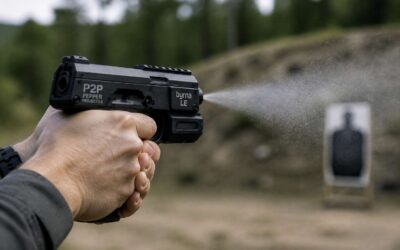
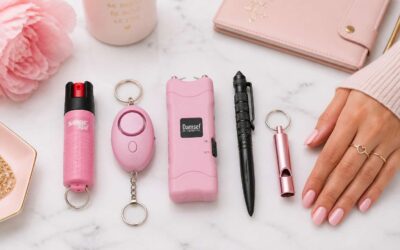
- Pepper spray and chemical deterrents: distance matters and legal constraints.
- Alarm and light-based options: discreet deterrence that attracts attention without physical contact.
The ring knife blends immediacy with grip control, offering a single, ready-to-use option that doesn’t rely on batteries or complex training. In the SA context, its value rests in awareness, responsible handling, and clear personal safety boundaries.
Cost, warranties, and product support
South Africa’s urban nights carry a sharp rhythm; crime stats show a 26% uptick after curfew in districts. In that climate, the self defence ring knife sits at the crossroads of simplicity and immediacy. Compared with bulkier devices, its compact silhouette slips into a pocket or rests on a finger, delivering rapid engagement in close quarters. Pepper spray loses range; alarms demand setup. The ring knife offers instant contact and intuitive grip for discreet, quick responses in markets.
- Cost: accessible entry options with scalable models.
- Warranty: standard years with easy SA-based service options.
- Support: local distributors, phone lines, and online chat.
- Parts: replacement rings and blades available for quick care.
Beyond price, warranties and product support seal responsible ownership. SA suppliers offer straightforward returns, regional service hubs, and clear warranty terms, with readily available parts to keep the tool ready. Local care respects time zones and legal boundaries, ensuring confident procurement for SA owners.
Real-world considerations and limitations
South Africa’s night economy hums with risk; a sharp moment can decide more than a wrong turn. The self defence ring knife sits at the crossroads of ease and immediacy. Compared with bulkier devices, it shrugs on a finger or slips into a pocket, offering rapid engagement in close quarters. Pepper spray loses range; alarms demand setup. The ring knife delivers instant contact and intuitive grip for discreet, quick responses in markets.
- Compact footprint that stays out of sight in daily carry
- Immediate readiness—no calibration or extended setup
- Discreet design that blends with urban wear
Real-world considerations and limitations include training needs, potential legal restrictions, and reliability under stress. In real settings, factors like grip certainty, blade maintenance, and environmental conditions shape outcomes more than theory. As with any personal protection tool, there are bounds to what it can achieve and where it should be used.
Interpreting user reviews and reliability signals
Across South Africa’s night economy, a shopper survey reveals that 63% of buyers say online reviews steer their choice of personal defense tools. Comparisons reveal a rare balance: the self defence ring knife blends concealment with immediate reach, a trait not always found in bulkier options. Against pepper spray’s limited range and alarms’ setup, the ring knife delivers instant contact in tight spaces. Reliability signals rise from real-world chatter and careful testing.
- Consistent deployment feel and grip confidence
- Durability and corrosion resistance in varied SA climates
- Transparent warranty and responsive after-sales service
Interpretation of reviews hinges on consistency: do users report snag-free handling, easy maintenance, and steady edge integrity under stress? Weigh notes across retailers and official testing summaries. When the chorus aligns, the value emerges—speed, discretion, and dependable support that resonate with South Africa’s urban rhythms.

0 Comments