
Practical Components of Personal Defense Solutions
Active deterrents and alarm systems
In South Africa, the night is loud with creaks and cautious footsteps. A local security survey suggests homes with active deterrents and alarm systems report up to 60% fewer incidents—proof that preparation costs less than panic. When the doorbell rings at 2 a.m., you want more than bravado; you want a plan powered by self defence systems that actually know when trouble prowls.
Practical components of personal defense solutions hinge on reliability, not drama. Active deterrents work in concert with smart sensors and robust alarms. Consider these core elements:
- Motion sensors with tamper alerts
- Acoustic sirens and strobe lights
- Remote monitoring and instant alerts
In South African homes, discreet installation, battery back-ups, and local service support matter. This is where self defence systems shine; they prefer quiet guardianship that sighs when nothing’s wrong and roars when it matters.
Smart personal safety devices
South Africa’s nights hum with creaks, but a well-armed plan outshines bravado. A local security survey shows homes with smart personal safety devices reporting up to 60% fewer incidents—quiet proof that self defence systems work faster than a midnight heartbeat.
Practical components lean on reliability, not drama. Think discreet hardware, robust power options, and service networks that respond faster than a gnawing worry. The aim is calm guardianship that breathes softer than a siren but roars when it matters.
- Wearable panic devices that pair with mobile alerts
- Mobile app dashboards offering real-time status at a glance
- Location-based notifications to designated contacts
Together, these smart safety devices form the backbone of protection systems that function with quiet efficiency, ready to ping a guard, ring a neighbour, or lock down a room when the moment calls.
Wearable defense technology highlights
In the quiet theatre of KwaZulu-Natal nights, wearable defence tech becomes a patient sentinel. “Calm is a strategy you wear,” a local security voice says, and it sticks. Practical components prioritise reliability over drama: discreet hardware that sits on the wrist or clips to a belt, robust power options that outlast the night, and service networks that answer faster than a heartbeat. These elements form a personal shield, breathing softly yet ready to act when the moment calls, part of self defence systems.
- Discreet wearable panic devices that pair with mobile alerts
- Long-life batteries with optional solar charging to keep connectivity alive
- Encrypted channels and offline modes for reliability when networks waver
Together, they shape protection that feels like a whisper rather than a shout. In the South African landscape, these wearable features are the quiet spine of self defence systems, turning dusk into a moment of measured confidence.
Coverage strategies for personal protection
In South Africa, a 2024 security snapshot shows one in three urban residents won’t walk home after dark, a sobering reminder that protection is a daily practice. Practical Components of Personal Defense Solutions foreground dignity, turning fear into foresight within self defence systems.
Coverage strategies for personal protection hinge on reliability, privacy, and calm competence. They fuse discreet hardware, resilient power, encrypted channels, and service networks that respond when the city slows.
- Discreet hardware that remains reliable under long shifts
- Long-life power with optional solar charging
- Encrypted channels and offline modes for reliability
These strands form self defence systems with a quiet, resolute presence—protective, not performative, and deeply human in their rhythm!
Maintenance and reliability considerations
In a city that shivers at dusk, a 2024 SA security snapshot shows one in three urban residents won’t walk home after dark—protection, it seems, is a daily ritual rather than a show of bravado. Maintenance and reliability are the quiet crafts that keep self defence systems trustworthy, dignified, and human in rhythm.
- Discreet hardware integrity that remains reliable under long shifts
- Long-life power with solar charging options
- Encrypted channels and offline modes for reliability
We prize resiliency as a social grace: materials that endure, power that outlasts the night, and communications that stay private even when the city slows. When these elements align, self defence systems present a calm, protective presence—polite, unshowy, and attentively competent in crowded streets and quiet corners alike.
Home and Property Security Integration
Integrated alarm and surveillance systems
In South Africa’s shifting security landscape, integrated home security isn’t simply reactive—it preempts. A cohesive setup that links entry sensors, cameras, and a monitoring hub turns a breach into immediate intelligence. When self defence systems converse—door sensors, motion detectors, and cameras cross-check in seconds—we know the moment a threat is detected, alerts race to your phone and to the monitoring center, and rapid dispatch can follow. It’s a layered shield that stays quiet until it’s necessary—and then answers with precision!
- Cross-platform alerts that reach phones, watches, and monitoring desks
- Tamper-resistant event logs that preserve a chain of evidence
- Two-way audio verification to confirm intent before responders arrive
For property owners, this fusion of alarm and surveillance provides a pragmatic, cinematic guard—steady, informed, and relentlessly reliable. We see self defence systems as a quiet partner, extending your reach when you’re away and turning data into decisive action.
Remote monitoring and app controls
“Security isn’t a wall; it’s a conversation,” a South African security professional likes to say. With home and property security integration, remote monitoring and app controls turn talk into action — and fast. This is the edge of self defence systems, where breach alerts become intelligent signals rather than static noise.
Remote monitoring keeps a continuous link to a central monitoring centre, while app controls let you arm, disarm, view cameras, and set automated routines from anywhere in SA. A well-tuned system uses cross-device notifications to phones, tablets, and watches, creating a layered guard that’s operational yet unobtrusive. This is where self defence systems evolve beyond sirens into smart, measured actions.
- Real-time alerts to mobile devices
- Remote arming, disarming, and scene setup
- Secure cloud storage and tamper-resistant logs
In a shifting security landscape, this approach offers practicality without drama — a quiet partner that scales with your property and your peace of mind.
Door and window protection mechanisms
In South Africa, a home that looks ordinary can still behave like a fortress with the right door and window protection mechanisms. Thoughtful design turns potential entry points into mere inconveniences, the kind of friction that makes intruders move on. This is the heart of self defence systems—quiet, reliable, and ridiculously effective when paired with smart architecture!
- Reinforced door frames and multi-point locking for steadier hang-time against forced entry
- Tamper-resistant sensors on doors and windows that ping you rather than wake the whole neighbourhood
- Anti-lift devices and security films for vulnerable panes that deter prying hands
All told, these components form the spine of modern self defence systems.
Lighting and environmental sensors
Security in modern South Africa lives where light meets perception. Emerging data suggest that well-integrated lighting and environmental sensors disrupt would-be intruders before they breathe a word. In this dance of architecture and vigilance, I’ve seen self defence systems become less about loud alarms and more about quiet, ambiguous deterrence that talks in shadows and signals—astonishing in their restraint!
Home and Property Security Integration lighting and environmental sensors create a layered shield. Motion-activated luminance, street-facing cues, and zoning prevent stealth approaches. Environmental sensors monitor fire, gas, and water, responding with swift notifications and automated responses. The effect is a coherent security ecosystem rather than a collection of gadgets.
- Integrated lighting scenes that reset after disturbances
- Environmental sensors linked to a central security hub
- Remote monitoring with intelligent alerts
Together, these elements amplify the reach of self defence systems without drawing attention.
Legal and ethical considerations for home protection
Security in South Africa thrives where ethics meet engineering. A sharp line separates protection from intrusion, and the best systems honor that boundary—while acting when danger brews. “Security is a conversation between light and law,” a reminder that self defence systems are only as strong as their compliance. When homes speak softly through integrated safeguards, they deter without shouting into the street.
Legal and ethical considerations shape the deployment of protection. South Africa’s POPIA guards how data is stored and who may access feeds, while signage and consent ensure residents understand what is recorded and why.
- Data minimization and clear retention under POPIA
- Privacy by design: cameras focused on private property
- Robust access controls, encryption, and auditable feeds
- Transparent processes for redress and neighborly accountability
Ultimately, security becomes stewardship when law and kindness align, turning protection into a quiet shield that respects community norms.
Non-Lethal Tools and Training for Confidence
Pepper spray and gel options
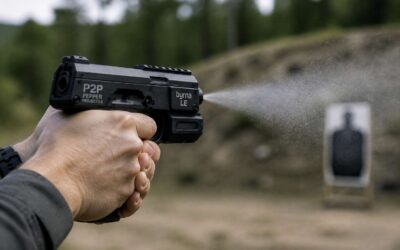
Preparation is protection, a claim you’ll hear from seasoned security pros. In South Africa, where street-smart readiness matters, confidence becomes a practical shield. Non-lethal tools and training give you control without escalation. Pepper spray and gel options are compact, legal in many contexts, and surprisingly effective at distance, buying you space to escape. This is about being smart, not macho bravado—enhancing your safety within the broader framework of self defence systems.
- Pepper spray: fast deployment at arm’s reach; carry in a bag or on a keychain; effective at creating space.
- Pepper gel: reduced blowback, easier to aim when under pressure, good for windy conditions.
- Training components: basic handling, situational awareness, legal compliance, and safe storage.
Training builds confidence, helping you assess risk, de-escalate, and disengage gracefully. Always verify local SA regulations and train with certified instructors to keep these self defence systems practical and lawful.
Stun devices and personal alarms
“Preparation is protection,” a seasoned security consultant nails it, and it lands starkly on SA streets. Non-lethal tools and confidence-building training transform fear into measured response—without inviting escalation.
Stun devices and personal alarms offer practical confidence at close range: quick access, audible deterrence, and a clear path to distance. Taken as part of a broader mindset, they anchor a disciplined approach to self defence systems.
- Stun devices: compact, accessible, and designed to create separation when needed.
- Personal alarms: a piercing siren and bright beacon that summon attention and help.
Training remains essential for turning devices into reliable allies; it sharpens risk assessment, de-escalation, and safe disengagement under SA legal norms—keeping self defence systems practical and lawful.
Training for situational awareness and de-escalation
In South Africa’s dusk-lit streets, confidence becomes a quiet shield. Training for situational awareness and de-escalation turns fear into discernment, a compass that reads risk without rushing to action. Non-lethal options grow from possibility into practice, and calm becomes a force multiplier!
Non-lethal tools thrive when paired with disciplined mindsets. A short list of principles will help readers encode them into daily habits:
- Situational awareness: reading the rhythm of crowds, noticing exits, and anticipating movement
- Verbal boundary setting: clear, respectful language that de-accelerates tension
- Disengagement: choosing distance and time to reassess before escalation
Within a robust self defence systems framework, training focuses on turning perception into measured response—respecting legal norms in SA while preserving personal safety. Confidence grows when tools and tactics stay aligned with restraint rather than impulse, and the path to safety remains principled.
Safe handling and legal guidelines
Safety is a practice, not a promise. Non-lethal tools gain their strength when training translates perception into measured, calm response. In South Africa’s dusk-lit streets, confidence becomes a quiet shield that reads risk without rushing to action. I train regularly to keep calm under pressure and to align actions with the law. These tools, paired with discipline, support a principled approach to safety within the framework of self defence systems.
- Safe handling and storage that keeps accidental use at bay
- Clear, lawful usage aligned with South African guidelines
- Regular practice to maintain familiarity and restraint
Safely integrating tools means knowing the legal boundaries and ethical limits. I’ve learned that training and statutory guidelines in SA keep confidence aligned with restraint, letting actions stay proportional and safe. Stay vigilant and principled—this is how safety remains effective.
Emergency response planning and drills
Confident exits beat loud alarms every time! On South Africa’s dusk-lit streets, confidence is a quiet shield—built, not borrowed. Non-lethal tools, paired with disciplined training, form the backbone of self defence systems. I crave calm under pressure, translating fear into measured action and staying within the law’s bright lines.
- Scenario-aligned drills that mirror urban encounters
- Clear communication protocols and trusted responders
- Reflective post-incident reviews to sharpen instincts
Emergency response planning and drills turn theory into readiness, keeping action restrained and proportionate, even when adrenaline rises.
Choosing the Right System for Your Lifestyle
Assessing risk and space requirements
Safety isn’t a luxury—it’s a daily calculation. In South Africa’s vibrant cities and sprawling townships, choosing the right self defence systems means matching risk, space, and lifestyle rather than chasing the newest gadget. Start with a candid inventory: what risks loom, and where could a system actually live and work when it matters most?
Three considerations help align choice with daily life:
- Space footprint and mounting possibilities that suit your floor plan
- Interaction with daily routines and access points
- Power needs, maintenance, and reliability during outages
Choosing the right system, for a given lifestyle, is a quiet negotiation—between protection, privacy, and peace of mind. When space, timing, and values align, these systems become a seamless thread through everyday life rather than a stark intrusion.
Budgeting and total cost of ownership
Protection isn’t a luxury—it’s a daily budget. In South Africa, choosing the right self defence systems means weighing upfront install costs against ongoing upkeep, reliability, and how well it fits your space and routines. A trusted adviser once quipped, “If it only works when you’re looking at it, you’re playing catch-up.”
- Installation and equipment costs (one-time)
- Monitoring, app access, and service contracts
- Maintenance, battery replacements, and repairs
- Power reliability contingencies and backup options
Budgeting for total cost of ownership means more than sticker price. Align the system with your lifestyle, privacy preferences, and resilience needs, and you’ll find protection that feels like a natural extension of daily life rather than a disruption. When the numbers balance, self defence systems become a quiet partner in peace of mind.
Warranty, support, and service plans
Protection isn’t a luxury—it’s a daily budget! In South Africa, choosing the right self defence systems means balancing upfront fit with ongoing reliability, privacy, and how neatly it slots into your routines. A trusted adviser once said, “The best system is the one you barely notice,” and that truth guides the choice.
Warranty, support, and service plans aren’t afterthoughts; they shape long-term peace of mind.
- Standard warranty with remote monitoring
- Extended coverage including on-site visits
- Priority support with rapid-response technicians
When selecting, align the system with space, privacy preferences, and your daily rhythms; local service capabilities and transparent terms matter as much as hardware. This approach makes these protections feel like a natural extension of life.
Scalability and future-proofing
The best system is the one you barely notice, a truth that lands like a soft shield in a busy town. In South Africa, safety isn’t a luxury—it’s a daily rhythm—and the right approach for self defence systems should fade into life, not shout at it.
Scalability and future-proofing go beyond bells and whistles; they mean systems that adapt with you.
- Modular hardware
- OTA firmware updates
- Interoperable platforms
Designed to fit evolving spaces and routines, choose a setup that respects privacy and local capabilities. Clear terms and responsive service should be part of the design, not an afterthought.
Vendor selection and reviews
The best system is the one you barely notice. In South Africa, safety is woven into daily life, not shouted from the roof. The right self defence systems should fade into routine, letting you move with confidence rather than looking for alarms. I’ve watched setups disappear into everyday life, quietly guarding what you value.
Vendor selection and reviews matter more than glossy brochures. Look for credible installers with transparent terms, robust warranties, and true local support. This is where value hides—in the details and in those long-tail case studies that mirror your space.
- Proven track record with South African clients
- Open, verifiable customer reviews
- Clear privacy and data handling commitments
- Responsive after-sales service
In the market, the real messages come through privacy commitments and after-sales clarity, spoken in plain language rather than hype.


0 Comments