
Factors to consider when choosing a self defense firearm
Purpose and expected use
Choosing a defender’s tool is less about brute force and more about fit, reliability, and control. In a recent safety survey, 62% of South Africans emphasized ease of use as the deciding factor for home defense. which gun is good for self defence becomes a frequent question when weighing compact handguns against full-size pistols for quick-attack scenarios.
- Ergonomics: comfortable grip and intuitive controls
- Caliber and reliability under stress
- Size, weight, and how easily it conceals or carries
- Legal framework and licensing requirements in SA
Ultimately, the choice hinges on alignment with training, maintenance routines, and the realities of South African safety planning. A balanced approach respects capability, legality, and responsibility, painting a clear path through the noise.
Caliber and stopping power
Caliber and stopping power anchor the practical debate about self defence firearms. In a high-stress moment, a cartridge’s energy, velocity, and how it behaves through barriers shape what you can actually rely on. A recent safety survey shows 62% of South Africans say ease of use is the deciding factor for home defence. For readers wondering which gun is good for self defence, the journey begins with fit—how the gun feels in your hand, how controllable the recoil, and how the platform performs under pressure.
Beyond that initial fit, ergonomics, reliability, and maintenance carve the real path to a dependable choice. Consider these factors:
- Ergonomics: comfortable grip and intuitive controls
- Recoil management and balance with stopping power
- Reliability under stress and ease of field maintenance
- Size, weight, and concealability in SA environments
Legal framework and licensing requirements in SA shape the final pick, ensuring training, safe storage, and ongoing responsibility align with safety planning and policy frameworks across the country.
Size, weight, and concealability
A compact silhouette can feel like a shield or a challenge; in SA, where every moment counts, size, weight, and concealability decide what truly travels from holster to hand. For readers asking which gun is good for self defence, the answer begins with fit—how the gun rests in the palm, how the grip settles, and how the platform breathes under pressure. A balanced frame keeps the eye on the target and the finger on the trigger in the right place.
- Size and grip ergonomics aligned with hand size
- Weight distribution for steady recoil control
- Concealability within common SA clothing and environments
Beyond form, the architecture—balance, feel, and maintenance—steers daily reliability. Concealability becomes viability when movement is swift and the environment unpredictable, folding every factor into one coherent choice regarding self defence in South Africa.
Reliability and maintenance
Across South Africa’s varied streets and landscapes, reliability isn’t loud or flashy—it simply shows up when the moment counts. A self-defence firearm that breathes with its owner earns quiet trust in the hand and the heart. Readers often ask which gun is good for self defence, hoping for a quick verdict, but true dependability comes from steady maintenance and the reassurance that the platform will perform under pressure.
Reliability and maintenance hinge on a disciplined routine that respects local dust, humidity, and wear. To keep the weapon ready, consider a straightforward cadence that fits daily life and shooting practice.
- Clean after exposure to dust or moisture and follow the manufacturer’s lubrication guidelines to preserve smooth cycling.
- Inspect magazines, springs, and feed lips for wear; replace worn parts before they fail under stress.
- Have the firearm serviced by a qualified gunsmith and choose quality ammunition to minimize fouling and misfeeds.
In the end, a firearm’s reliability is a personal covenant: it rests on how well the tool is cared for, stored, and practiced with, turning potential into daily assurance.
Cost and availability
Trust is earned in the quiet moments before danger arrives. A veteran farmer once told me, “A good tool becomes a second sense.” When readers ask which gun is good for self defence, they’re really asking about the steadiness behind the purchase—the balance of money, training, and local realities in South Africa.
Cost and availability stretch beyond sticker price; they determine what you can actually practice with and how soon you can respond. The local market offers a range of options, but maintenance, warranty, and service networks matter as much as the barrel itself.
- Budget and ongoing ammunition costs
- Access to reputable dealers and qualified service
- Legal requirements and safe storage in your area
Choosing with care turns a tool into a daily assurance rather than a symbol of risk.
Common firearm types for personal defense
Handguns overview and use cases
Guardians of everyday life know the right tool can shift danger into distance. In personal-defense storytelling, handguns frequently rise to the foreground—compact, reliable, and fast to draw. “A calm mind and the right tool make all the difference,” as a seasoned instructor puts it. In my experience, calm hands choose wisely. For South Africans navigating crowded streets and towns alike, use cases center on quick response, ease of carry, and dependable performance in varied light.
Here are common handgun types often considered for personal defense:
- Compact semi-automatic pistols—thin, fast to rack, and easy to conceal in everyday carry
- Double-action revolvers—reliable firepower in a simple, predictable action
- Subcompact pistols—minimal grip and weight, designed for quick draw
Choosing which gun is good for self defence hinges on fit, training, and scenario awareness rather than bravado. A properly chosen platform, paired with regular practice, keeps you prepared for whatever the night may bring.
Revolvers vs semi-automatic pistols
“A calm mind and the right tool make all the difference,” says an experienced instructor. So, which gun is good for self defence? In real life, the answer hinges on fit, training, and the context on busy South African streets. Revolvers offer simple, predictable action and rock-solid reliability; semi-automatic pistols provide higher capacity and quicker follow-ups, especially in dim light. Both have a place, framed by training and scenario awareness.
When you look at the common firearm types for personal defense, consider this:
- Revolvers — simple operation, consistent trigger pull, and fewer malfunctions in adverse conditions.
- Semi-automatic pistols — higher capacity, faster reloads, and quicker follow-up shots after a warning draw.
Shotguns for close-quarters defense
“A calm mind and the right tool make all the difference,” an experienced instructor notes. So, which gun is good for self defence? On busy South African streets, success hinges on fit, training, and context. Revolvers reward simplicity; semi-automatic pistols offer capacity and speed. Shotguns, with their blunt force at close range, also have their place when space is tight and threats emerge suddenly.
Common firearm types for personal defense include shotguns for close-quarters defense, where stopping power and reliability shine. Here’s what to consider for shotguns in the self-defence mix:
- Gauge and recoil balance
- Ammunition choice: buckshot vs slug
- Point-and-shoot practicality in dim light
Rifles and carbines for home defense
Rifles and carbines for home defense deliver reach and control where space runs tight. For readers asking which gun is good for self defence, a compact carbine is a natural fit: easy to point, quick to shoulder, and capable in busy hallways. In a South African home, a lightweight semi-automatic rifle or balanced carbine blends reliability with maneuverability, while staying adaptable to indoor scenarios. AR-style platforms and AK-pattern carbines stand out for ergonomics and enduring performance, especially when paired with optics and lighting for dim conditions.
These rifles and carbines offer a measured complement to self-defence thinking. Consider these points as you weigh options:
- Ergonomics and rapid target acquisition in tight spaces
- Feeding reliability across common calibers
- Optics and lighting compatibility for low-light encounters
Non lethal options and alternatives
Preparation beats panic, safety experts remind us, and in the South African home that wisdom rings true. When we explore personal defense options, the question which gun is good for self defence often arises; yet many households lean on a broader toolkit—carefully chosen, lawful, and practical—that includes non-lethal measures and deterrents that buy precious seconds.
Non-lethal options and alternatives broaden the safety net.
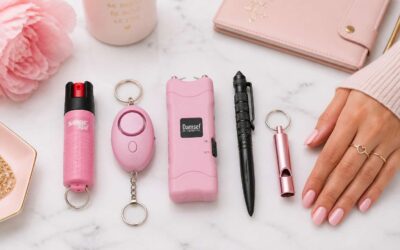
- Pepper spray and gel for rapid deployment at close range
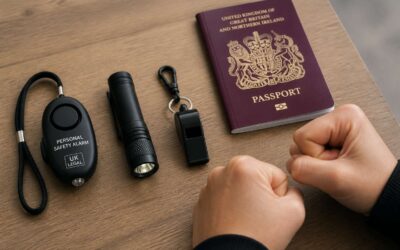
- Personal safety alarms and bright lights to deter and attract attention
- Stun devices where permitted by law, plus comprehensive training on use
Ultimately, the choice hinges on legal guidelines, training commitment, and living space. The aim is protection that remains proportional, mindful, and ready to deter without escalating danger.
Legal considerations and safety responsibilities
Local and state gun laws at a glance
Law and sense walk hand in hand in South Africa’s self-defence conversation. Safety is a habit, not a purchase, and the guardrails are as crucial as the tool itself. For readers asking which gun is good for self defence, the answer rests on training, licensing, and responsibility, not showroom bravado.
Local and state gun laws at a glance show the hinge points, from licensing and competency to safe storage and transport rules.
- Licensing and competency
- Safe storage and ammo separation
- Transport rules
Safety responsibilities extend beyond the purchase. Regular training, secure handling, and honest self-audit keep defence plans practical and lawful.
Permits, licensing, and background checks
Defence starts with accountability, not bravado. In South Africa, real safety begins where law and training intersect.
Legal considerations and safety responsibilities shape every decision. Permits, licensing, and background checks are not optional; they frame your eligibility and the timeline for lawful ownership under the Firearms Control Act and local rules.
- Permits and licensing
- Background checks
- Safe storage and transport considerations
Safety responsibilities extend beyond purchase. Regular training, secure handling, and honest self-audit keep defence plans practical and lawful. When readers ask which gun is good for self defence, the answer rests on training and responsibility, not showroom bravado.
Safe storage and transport requirements
“Safety is not a slogan; it’s a duty that follows you.” In South Africa, real safety begins where law and training intersect. Legal considerations and safety responsibilities shape every decision under the Firearms Control Act and local rules. When readers ask which gun is good for self defence, they’re really asking about discipline, training, and compliance.
Safe storage and transport requirements shape defence plans and emphasize humane handling. The framework includes anchored safes and lockable containers, with the firearm kept unloaded and the ammunition stored separately. Transport is governed by approved secure methods, and ongoing self-audit plus training reinforce accountability rather than bravado.
Self-defense and use-of-force laws
Legal considerations steer every choice under the Firearms Control Act and local rules. When readers ask which gun is good for self defence, they’re really seeking discipline, training, and compliance wrapped in practical sense rather than bravado. In South Africa, safety begins where law and responsibility meet, with clarity about consequences.
- Proportionality and de-escalation requirements
- Clear, legally recognized grounds for defence
- Documentation: training, renewals, and certifications
- Region-specific licensing, background checks, and permit limits
Ultimately, the weapon is a tool; real security comes from training, ongoing self-audit, and lawful conduct. The aim is to protect life within the framework of law, not to outshine neighbours at the range.
Liability, documentation, and record keeping
Safety isn’t a badge; it’s a daily practice of responsibility. In South Africa, liability for negligent use can echo through civil and criminal channels, so every decision hinges on training, record-keeping, and lawful conduct. Readers often wonder which gun is good for self defence, but the real answer lies in disciplined preparation and compliance, not bravado.
Documentation and record keeping provide the backbone for justified use of force. Maintain training certificates, renewals, background checks, permit statuses, and compliance audits in an organized file. When the moment comes, you’ll benefit from clarity about what you’ve done to stay within the law and protect life.
To keep governance intact, consider a concise roster of essentials:
- Training certificates and renewal dates
- Background check records and permit statuses
- Storage and transport compliance documentation
- Audit-ready logs of practice and safety drills
In the end, the weapon remains a tool; accountability, not bravado, is what ensures safety.
Training, safety, and upkeep for reliable defense
Fundamental firearm safety rules
If you’re wondering which gun is good for self defence, the honest answer hinges on training and responsible upkeep. In South Africa, a well-trained grip and calm mindset outshine flashy hardware, and a seasoned instructor reminds us that “Preparation beats luck.”
Safety is non-negotiable. Treat every firearm as loaded, keep your finger off the trigger until ready to shoot, and know your local storage and transport rules. These basics protect you, others, and your license to operate.
Upkeep matters for reliability and rapid response. Regular inspection, proper cleaning, and professional servicing when needed maintain function and safety.
- Routine checks of sights, springs, and grip
- Secure, compliant storage when not in use
- Safe transport practices and ammunition compatibility
Practice routines: dry fire and live fire
If you’re wondering which gun is good for self defence, the honest answer hinges on training and responsible upkeep. In South Africa, a well-trained grip and a calm mindset outshine flashy hardware, and seasoned instructors remind readers that preparation beats luck!
Practice routines sharpen judgment and muscle memory: dry fire and live fire.
- Dry-fire drills that focus on grip, sight picture, and trigger control
- Live-fire sessions that translate that discipline into reliable recoil management and precise follow-through
Safety remains non-negotiable. Treat every firearm as loaded, store and transport lawfully, and ensure ongoing upkeep through routine inspections and professional servicing when needed.
Choosing a training program and instructor
Ask the question which gun is good for self defence, and the honest answer hinges on training and responsible upkeep. In South Africa, a steady grip and a calm mind outshine flashy hardware, and seasoned instructors remind readers that preparation outruns luck!
Choose a training program and mentor with a clear ladder of skills, from grip and sight picture to trigger discipline. Look for instructors who emphasize real-world scenarios, verified safety records, and ongoing assessment rather than quick fixes.
Consider these criteria when selecting a program:
- Credentials and experience of the instructor
- Structured progression and regular evaluation
- Small class sizes for hands-on feedback
- Access to range facilities and safety oversight
Safety remains non-negotiable. Safe storage and transport, routine upkeep through inspections, and professional servicing when needed ensure reliability in defense scenarios.
Regular maintenance and cleaning schedule
The question which gun is good for self defence remains secondary to training, safety, and upkeep. In South Africa, seasoned mentors remind us that a steady grip and a calm mind outshine flashy hardware, and the old maxim still hums: preparation outruns luck!
Choose a training program and mentor with a clear ladder of skills—grip, sight picture, trigger discipline. Instructors who emphasize real-world scenarios, ongoing assessment, and a measured pace guard your investment and sharpen your instincts for the moments that matter.
Safety remains non-negotiable. Safe storage and transport, routine upkeep through inspections, and professional servicing when needed ensure reliability in defense scenarios. Regular maintenance, performed with quiet discipline, becomes the steady heartbeat of readiness.
Holster selection and handling for quick access
Across South Africa, seasoned mentors remind that in a threat, a steady grip and a calm mind outshine flashy hardware. Training with a clear ladder—grip, sight picture, trigger discipline—turns instinct into readiness and sharpens reflexes for the moments that matter.
Holster selection matters. A secure, accessible holster keeps the draw smooth under pressure. The question which gun is good for self defence becomes secondary to training with the tool; mastery comes from consistent practice, not quick-fix gear.
- Retention that allows a clean, unhindered draw
- Balance between concealment and rapid access
- Resilient belt attachment and durable materials
Regular upkeep is the other half of readiness: safe storage, routine inspections, and professional servicing when needed. A quiet maintenance rhythm protects reliability, ensuring the defense plan stays in step with training and the realities of South African environments.

0 Comments