
Overview of electric shock in self defence
What is electric shock in personal safety contexts
On a South African street, a shadow shifts and the air tightens—a moment where personal safety hinges on perception as much as preparation. I’ve learned that electric shock in self defence looms large, yet the reality is subtler than cinema. It’s not about a dramatic spark, but about creating a brief disruption that buys time to escape. The field blends physiology with ethics, demanding calm and clear boundaries.
What is electric shock in personal safety contexts? The term self defence electric shock is commonly misunderstood as a weapon, but in reality it denotes a controlled, non-lethal disruption meant to deter and disengage. The approach hinges on awareness, legality, and the ability to reach safety quickly. In South Africa, the emphasis is on proportional response, situational awareness, and leaving confrontation to skilled professionals wherever possible.
- Legal considerations in SA
- Physiological effects and escape time
- Ethical use and de-escalation
Key concepts behind defensive electrical methods (high-level)
“Perception is the first weapon,” a street mentor whispered, and it still echoes along South African pavements. In the dim glow of street lamps, safety feels like a rumor you either believe or miss.
In this article, self defence electric shock is framed as a controlled, non-lethal disruption—a brief interruption designed to deter and disengage, not to harm. The aim is to create space to escape while staying within legal and ethical lines.
- Awareness, boundary-setting, and environmental scanning
- Proportionality, legality, and the duty to disengage
- Psychological impact and the window it opens to escape
- Responsible training and safety planning for our communities
The rhythm is somber yet practical, a gothic breathing room where safety and sanity share the same streetlight. The phrase self defence electric shock lingers as a whispered concept, kept in check by ethics and law.
How electric shock is discussed in safety literature
In safety literature, including South Africa’s urban safety discourse, self defence electric shock is discussed as a controlled, non-lethal disruption—a brief interruption designed to deter and disengage. It frames the moment as a cue to create space for escape, not to injure, urging respect for conscience, law, and the fragile line between risk and restraint.
- Non-lethal disruption that buys seconds for disengagement
- Proportionality, ethics, and adherence to legal boundaries
- Medical awareness and the duty to ensure safety for all involved
Scholars note that the appeal lies in predictability and caution—de-escalation, situational awareness, and responsible planning shaping the conversation more than bravado!
Legal and ethical considerations
Legality of defensive electrical methods by region
A legal gray area shadows every spark of self defence electric shock. In South Africa, what you legally deploy for protection must balance necessity with the law, ethics, and the risk of harm. Laws differ by region, and even how courts interpret intent can shift how a device is treated in practice.
- Regional regulation and classification of defensive electrical devices
- Proportionality, intent, and the standard of reasonable force
- Safe storage, access control, and safeguarding against misuse
- Civil and criminal liability considerations
Ethics demand respect for life and due process; consult local counsel and safety standards to ensure the path chosen aligns with South Africa’s legal framework.
Ethical use and de-escalation priorities
Bravery today is measured not by force but by restraint after the spark. In South Africa, protection must balance necessity with harm. ‘The best protection is guided by law and empathy,’ safety professionals say, and it rings true when considering self defence electric shock. Ethical use hinges on respect for life, proportionality, and avoiding needless harm—especially in a heated moment. Consult local counsel and safety standards to keep your path within the legal framework.
South Africa’s courts weigh intent and the standard of reasonable force; storage, access and misuse safeguards matter as much as the device itself. Liability can be civil or criminal if harm results from disproportionate response. Ethics prioritise de-escalation: calm dialogue, clear boundaries, and retreat when safe. These principles shape every defensive electrical choice, ensuring it respects life, due process, and the nation’s legal framework.
Regulatory restrictions and reporting requirements
Legal and ethical terrain shadows every defensive choice. In South Africa, the gravity of a split-second decision rests on intent as much as outcome, and the courts demand proportionality. The term self defence electric shock carries legal and ethical weight in our jurisdiction, where restraint shapes outcomes more than bravado.
Regulatory restrictions define what devices may be held, how they are manufactured, and how stored. Complying means alignment with safety standards, clear storage protocols, and audit-ready documentation.
- Certification and safety compliance requirements
- Secure storage and controlled access to devices
- Incident reporting and record-keeping obligations
Reporting requirements follow incidents, guiding investigators and insurers while protecting responsible use. Ethical practice means readiness to cooperate with authorities and to log events without sensationalism.
Age and vulnerability considerations
In a tense moment, restraint may be the sharpest edge of safety. “Restraint is the first line of defense,” as one South African practitioner notes. The law scrutinises self defence electric shock for intent, proportionality, and the risk to bystanders, demanding that defensive choices avoid unnecessary harm and stay within safety standards.
Age and vulnerability shape what counts as necessary force. The young, the elderly, and people with disabilities require heightened scrutiny to prevent exploitation or escalation.
- Minors and dependent adults
- Persons with cognitive or physical impairments
- Vulnerable bystanders or coercion risk
Ultimately, the ethical imperative is to use the least force possible and to document engagements to support accountability.
Health, safety, and risk awareness
Health risks associated with electric shock exposure
In South Africa’s after-dark sidewalks, one in five urban safety incidents escalates in seconds, turning a routine stroll into a risk that lingers long after the moment has passed. Health, safety, and risk awareness around electric shocks matter more than bravado—especially when self defence electric shock is part of the conversation.
- Cardiac rhythm disturbances and potential complications
- Severe burns and tissue damage at contact points
- Muscle spasms, falls, and secondary injuries
- Neurological effects and slower recovery
Beyond the immediate moment, awareness means recognising limits, seeking professional guidance, and prioritising escape and de‑escalation over confrontation. Proper understanding of risks helps people in South Africa navigate threatening encounters with dignity and caution.
Who should avoid use and why
In South Africa’s after-dark corridors, health and safety should outrun bravado. I’ve witnessed how a split-second decision can spiral into long-term consequences, so this isn’t about glamour—it’s about disciplined judgment. Not everyone should rely on electrical means as a first response, given medical realities and how quickly legal interpretations can shift in courtrooms and clinics.
- People with implanted cardiac devices, such as pacemakers or ICDs, due to interference risks.
- Individuals with epilepsy or other uncontrolled neurological conditions.
- Those with severe burns, skin conditions, or metal implants near contact points.
- Frail elderly individuals or anyone with limited mobility who could sustain secondary injuries.
Awareness means recognising limits, seeking professional guidance, and prioritising escape and de‑escalation over confrontation. The term self defence electric shock should be considered within medical, regulatory, and ethical boundaries, not as a universal remedy for danger.
Safe storage and device handling principles
Safety isn’t a gadget—it’s a mindset. In South Africa’s after-dark corridors, disciplined storage and mindful handling of defensive tools cut risk as surely as a streetlight guides a cautious step. When the topic shifts to self defence electric shock, the emphasis remains on protection, legality, and the line between escape and harm. A small lapse in keeping devices dry, charged, and out of reach can turn a safeguard into liability, with consequences echoing through medical clinics and courtrooms.
- Principled storage concepts: dry, stable environments and separation from unintended access
- Ongoing integrity considerations: wear, battery health, seals and protective enclosures
- Policy-aligned usage: charging norms and access controls, reinforced by training on boundaries
Simple habits foster safer environments. By combining awareness with responsible stewardship, risk is reduced and confidence grows in moments that matter most.
Impact on individuals with medical conditions
Protection isn’t a gadget—it’s a mindset that travels with you through South Africa’s after-dark corridors. “Protection is power tempered by prudence,” a streetwise maxim I carry along every night. The idea of self defence electric shock sits at that boundary line between assertive safety and harm, a lantern guiding decisions when danger looms.
For individuals with medical conditions, health awareness becomes part of risk analysis—the body’s signals, medications, and implants shaping what’s appropriate in any defensive moment. Clarity, consent, and care take precedence, ensuring safety measures never compromise medical needs.
- Consult a clinician about how conditions influence safety choices
- Maintain transparent communication with trusted contacts about usage and boundaries
Training, education, and awareness
De-escalation skills and personal safety mindset
“The mind is your first shield,” a veteran trainer often says. On South Africa’s busy streets, a single decision can swing a night from ordinary to unforgettable!
Training, education, and awareness build de-escalation skills and a resilient personal safety mindset. Regular, scenario-based practice helps you read cues, maintain composure, and choose disengagement over confrontation.
- Situational awareness exercises
- Verbal de-escalation role-plays
- Breath and focus techniques for rapid calm
Within safety conversations, self defence electric shock is discussed as part of a broader ethical framework that prioritises avoidance, reporting, and seeking help over any force. This approach supports measured, purposeful responses when danger looms and ensures you stay aligned with legal and moral boundaries.
Understanding legal aftercare and reporting
On South Africa’s streets, risk travels light; preparation travels heavier. A single calm choice can tilt a night from nerves to safety when training becomes instinct and instinct becomes action.
Training, education, and awareness form the tripod of protection. Regular, scenario-based practice sharpens cue-reading, preserves composure, and prioritises disengagement over confrontation. In discussions of self defence electric shock, the emphasis remains ethical: avoidance, reporting, and seeking help over any force.
- Record the incident with authorities and obtain a case reference
- Seek medical evaluation for physical and psychological aftercare, where appropriate
- Preserve evidence and consult a lawyer to navigate reporting and rights
Finding certified training resources for safety
Across South Africa, night-time uncertainty can be met with a practiced breath and a well-timed plan, a lantern flickering to life in the dark. A single calm choice reframes danger into safety, and well-chosen training turns instinct into action. When safety conversations touch on self defence electric shock, the emphasis stays on prevention, not force.
Finding certified training resources for safety means vetting providers who teach de-escalation, boundary-setting, and post-incident care in addition to any physical preparation. Look for courses that include scenario-based practice, legal context, and evidence-based methods.
- Local accredited self-defence institutes
- Community safety organisations with formal certification
- Workplace safety programs offering risk-aware training
- Online courses from recognized safety bodies with practical simulations
Choose instructors who emphasise ethical use, avoidance, and reporting. A good program helps you keep your mind sharp, stays within the law, and prepares you to seek help when needed.
Limitations and reliability of defensive electrical devices
Training and awareness matter, but even the best plan falters if the tool isn’t reliable. When we talk about self defence electric shock, reality often shows a gap between theory and field performance.
- Battery life and charge availability can be the difference between action and moot paperwork.
- Moisture, dust, or clothing can impede contact or conduction, undermining expected results.
- Legal constraints and post-incident reporting vary by region and must be understood beforehand.
- Maintenance, certification, and periodic re-testing are essential to reliability.
Quality training covers safe decision-making and situational awareness, but it also requires honest treatment of device limitations. These tools are supplementary, not a replacement for sound judgment, ethics, and understanding of the legal framework, which varies by region in South Africa.
Informed users combine training with responsible handling, storage, and a readiness to seek help; even a well-designed tool won’t substitute for awareness.
Ethical decision making in high risk scenarios
Training, education, and awareness are the quiet accelerants of safer choices in the heat of threat. For self defence electric shock, you don’t rely on a gadget alone—you cultivate a mindset, tested in controlled drills and tempered by ethical restraint. A well-prepared user reads the room, maintains distance, and uses the tool as a last resort within the law.
Ethical decision making in high-risk scenarios means recognizing when action is warranted, prioritising de-escalation, and respecting South Africa’s varied legal landscape. It demands honest appraisal of limits, ongoing reflection, and readiness to seek help. This approach keeps self defence electric shock as a last-resort option, never a reflex.
Key elements of responsible training:
- Scenario-based evaluation to improve judgment and composure
- Maintenance discipline and post-incident reporting to support accountability
Alternatives and practical safety measures
Non-lethal safety options overview
A security expert once said, ‘Preparation is the strongest shield’—and that truth holds on every South African street. This section highlights practical, non-lethal options and safety measures that empower you to respond calmly when risk emerges, with a quiet exit planned.
Non-lethal safety options work best when you blend awareness, avoidance, and small, repeatable routines. Consider the following practical measures to create safe zones and clearer exits.
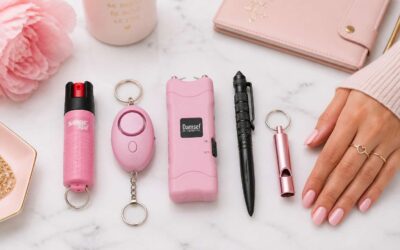
- Personal alarms and loud alerts
- Strategic lighting and visibility in routes
- Pre-planned retreat options and safe havens
In environments with potential exposure to legal risk, this approach keeps you ready without crossing lines, and self defence electric shock remains a debated option among layered safety strategies.
Situational awareness and avoidance strategies
“Preparation is the strongest shield,” a security mentor often says, and in South Africa’s streets that shield wears a cloak of calm awareness. The goal is to spot risk early, choose safer routes, and keep exits clear—practices beyond gadgets and gloss. Self defence electric shock remains a debated option within safety debates.
Alternatives and practical safety measures blend situational awareness with avoidance. The focus is on light, predictable patterns—staying in view, avoiding dead-ends, and maintaining space to retreat. The concept of self defence electric shock sits within a broader toolkit, not a first option; it remains a debated part.
Consider these calibrations that fit naturally into daily routines:
- Choose lit, populated corridors when possible
- Keep trusted contacts informed of movements
- Practice quick exit cues and boundaries
These ideas keep the mind ready and the heart steady, even when tails of dusk drape over a rural town or crowded street.
Home, travel, and workplace safety best practices
Calm is a rhythm you can cultivate; as a security mentor says, “Preparation is the strongest shield.” In South Africa’s streets, that shield glows brightest in lighted routes and measured steps. The idea of self defence electric shock sits within a broader toolkit.
Alternatives and practical safety measures blend situational awareness with avoidance. Home, travel, and workplace safety best practices thrive on lighted corridors and predictable patterns. Consider these calibrations that fit naturally into daily routines:
- Choose lit, populated corridors when possible
- Keep trusted contacts informed of movements
- Practice quick exit cues and boundaries
These ideas keep the mind ready and the heart steady, even when tails of dusk drape over a rural town or crowded street.
Emergency planning, contacts, and documentation
Even under the South African night, risk yields to preparation. Across rural lanes and city sidewalks, a single truth travels far: clear emergency contacts, a simple route plan, and practiced exits turn tension into calm. The concept of self defence electric shock sits alongside these safeguards, a segment of a broader toolkit that treats safety as a daily rhythm rather than a last-minute measure.
Emergency planning rests on two quiet anchors: ready information and known touchpoints. Here are elements that fit naturally into daily life:
- Local emergency numbers saved on phone and on a physical card
- Medical information, including conditions and medications
- Identity documents and trusted access details
- Familiar routes, safe havens, and meeting points
- A brief message template to share with a trusted contact
Documentation matters beyond wallets and phones. A simple, portable record—digital backups paired with a small printed card—keeps plans usable across changing routines and who is nearby to help. When the day ends, this quiet archive lends assurance to both mind and heart.

0 Comments