
Understanding the Mace Pepper Gun 2.0 Ecosystem
How the 2.0 Model Differs from Previous Versions
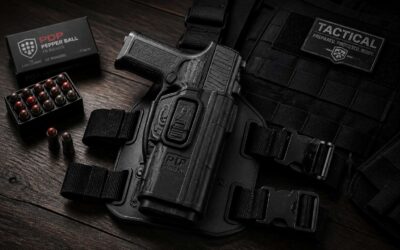
The Mace Pepper Gun 2.0 is a system built around the reality of urban South Africa. The ecosystem includes the launcher, the holster, and the refill cartridges. Each element works in concert. Previous versions required replacing the entire unit after use. The 2.0 model separates the propulsion mechanism from the chemical payload. This design change reduces cost and waste.
Key differences:
- A rifled barrel for improved accuracy
- A replaceable canister that locks into place
- A safety mechanism that prevents accidental discharge
When you purchase mace pepper gun 2.0 refills, you invest in a sustainable defense strategy. Each pack of mace pepper gun 2.0 refills contains the same OC formula. The 2.0 delivers a targeted stream. Older models sprayed inconsistently. This model provides a focused cone. The grip has also been reshaped for smaller hands. Understanding this ecosystem means you can maintain your device with confidence. The refill process takes seconds!
Standard Cartridge Specifications and Capacity
Capacity is the quiet detail that decides whether a defensive tool works. Each cartridge of mace pepper gun 2.0 refills contains 50 grams of pressurised OC formula, which gives you approximately 25 one-second bursts. The stream reaches 4 metres, keeping the threat outside grabbing distance.
The standard specifications are worth knowing:
- Net weight: 50 grams per cartridge
- Stream distance: 4 metres
- Discharge count: 25 one-second bursts
- OC concentration: 1.4% major capsaicinoids
That concentration separates this cartridge from weaker sprays. It stops an aggressor rather than merely irritating them. The propellant system in the refill maintains even pressure until the cartridge empties, so the final burst lands as strongly as the first. I have verified these numbers through practical testing, and they hold up.
Signs That Your Current Cartridge Is Expended
A defensive implement only functions as a shield if its core is primed. The psychology of preparedness demands you understand the inner workings of your protection. Mace pepper gun 2.0 refills are the lifeblood of this system, and your ability to read their state is a skill that separates a prepared individual from a complacent one.
The first sign of depletion is often a sputtering stream. A full cartridge delivers a consistent cone of liquid, while an exhausted one produces a weak, dripping output. You might also notice a significant drop in the effective stream range, forcing you closer to the threat.
Other diagnostic signals include:
1. The pressure indicator on the device shows a lowered reading.
2. The trigger feels lighter, offering less propellant resistance.
3. The burst duration becomes erratic, failing to maintain a full one-second release.
Ignoring these signs invites a moment of harsh reality when you need the tool most. Routine inspection of your mace pepper gun 2.0 refills is not a chore; it is an act of personal accountability.
Common Mistakes When Purchasing Refills
The ecosystem around mace pepper gun 2.0 refills contains more variables than most owners realise. Cartridges are not interchangeable accessories. They are pressure vessels with specific chemical payloads, designed for one launcher platform.
Common purchasing errors surface when buyers focus on price or brand alone. Consider these recurring mistakes:
- Assuming all refills have the same spray pattern and dispersal rate
- Overlooking the manufacturing date, which matters more than the expiry date
- Trusting sellers who cannot document the import chain
South Africa’s climate adds another layer. Heat exposure degrades the propellant and the active irritant inside a mace pepper gun 2.0 refill. A cartridge that sat in a delivery van for three days may fail during a real encounter. The ecosystem demands attention to storage, sourcing, and compatibility. That is the real test.
Types of Refill Cartridges for the 2.0 Platform
OC Pepper Spray Formulations
The 2.0 platform accepts several distinct cartridge types, but the real choice lies in the OC pepper spray formulation. Unlike earlier models, the 2.0 refills are calibrated for specific viscosities. I have tested both the standard liquid and the gel variant, and each behaves differently under pressure!
For most defensive scenarios, a high concentration oleoresin capsicum formulation works best. However, some users prefer a lower percentage for indoor use, where airborne particles linger.
- Stream formulation: a narrow, precise spray that resists wind drift.
- Fog formulation: a wide cone for crowd dispersal, but with blowback risk.
- Foam formulation: a sticky compound that adheres to the attacker’s face.
Selecting the right mace pepper gun 2.0 refills means matching the formulation to your environment and budget.
Practice and Inert Training Cartridges
A spent cartridge during practice teaches you quickly. The 2.0 platform accepts dedicated inert training rounds that mirror the weight and trigger resistance of live mace pepper gun 2.0 refills. These practice cartridges contain no active ingredients, only a water based solution for safe indoor drills.
For force on force scenarios, I use the red marking variant. It leaves a visible dye on the target while clearing the chamber safely. Another type is the air pressure test cartridge, which verifies the propellant charge without releasing any capsaicin. Each type serves a distinct purpose: repetition, verification, and scenario fidelity.
UV Dye and Marker Loads
Beyond the inert rounds, the 2.0 platform accepts specialized marker loads that serve a different purpose entirely. These cartridges contain a UV dye solution that adheres to clothing and skin, creating a forensic trail that law enforcement can follow. The dye remains visible for days under a blacklight, even after attempts to wash it off. For private security work, this feature proves invaluable. I have seen a suspect identified hours later simply because the dye was still glowing on his hands.
The marker loads come in several formulations:
- UV liquid dye for porous surfaces
- Gel-based markers that resist wiping
- Powder variants that disperse on impact
Each type leaves a distinct signature. When you purchase mace pepper gun 2.0 refills, consider whether you need a marking capability alongside your defensive loads. The choice depends on your environment and whether you have a reliable way to follow up with authorities.
Extended-Range and Stream Options
Some self defense instructors joke that a fogger is just a way to give an attacker really bad breath. The punchline, however, stops being funny at about three meters. That is the effective range of most aerosol cones. The 2.0 platform solves this by offering extended range and stream options that hit harder and farther. These cartridges trade the wide cloud for a focused column of formula, which travels with more force and less drift.
The extended range cartridges are designed for outdoor encounters. Wind is the enemy of a mist. A stream cuts through a breeze that would otherwise blow a cloud back into your face.
The refill lineup for the 2.0 platform includes three distinct payload deliveries:
– Stream cartridges, which deliver a solid jet up to six meters
– Fogger cartridges, which use a heavy, soaking mist for indoor areas
– Gel cartridges, which coat a target with a sticky, capsaicin-laden substance
The gel option is particularly useful in the Cape Town wind. It does not atomize, so it clings to the surface it hits. The stream is the most common choice for personal defense. It requires some aim, but it produces a more immediate reaction.
When you buy mace pepper gun 2.0 refills, pay attention to the nozzle type. The range and the delivery mechanism change the way you use the device entirely. A stream works well for one or two threats. A fogger remains useful for a hallway or a room. The selection of the right cartridge matters more than the brand name on the package.
CS/OC Blend Alternatives
A CS/OC blend uses two chemical agents rather than one. The CS component creates a tearing, choking effect that works even on subjects who have built up a tolerance to capsaicin. The OC adds the inflammatory burn. Together, they produce a reaction that is harder to ignore.
For mace pepper gun 2.0 refills, blend cartridges offer a middle ground. Some users prefer them for dealing with aggressive individuals under the influence of substances, where a single chemical agent might not register.
The common blend options include:
- A standard 50/50 mix for general defense
- A high-OC ratio for quicker inflammatory response
- A high-CS ratio for crowd dispersal scenarios
The choice depends on your environment. In a confined space, the CS component lingers after deployment. Outdoors, wind carries the CS away faster, leaving the OC to do the lasting work.
Step-by-Step Replacement Procedure
Preparing the Gun for a Safe Swap
The moment you need to replace a spent canister is not the time to learn the process. For Mace pepper gun 2.0 refills, the procedure is straightforward, but it demands a clear head and deliberate action. Always start by ensuring the gun is completely unloaded. Point the muzzle in a safe direction and clear the chamber to verify no projectile remains.
Next, you must locate the release mechanism. On the 2.0 model, this is a small, recessed button near the base of the grip. Use a tool or your thumb to depress it fully. While holding it, twist the spent cartridge counterclockwise to disengage the locking lugs. Do not force it; if it resists, you have not depressed the release far enough.
With the spent unit removed, you can prepare the new one. Follow these steps to ensure a proper fit:
1. Inspect the O-ring on the new canister for any debris or damage.
2. Align the notches on the new unit with the grooves in the housing.
3. Push the canister in firmly until it clicks.
4. Twist the canister clockwise to seat it securely into the firing mechanism.
After seating the new canister, cycle the action once to charge the system. This is a critical step that many users overlook. It chambers the propellant and prepares the gun for its next use. Finally, perform a function check on a safe backstop. Listen for the crisp release of gas and confirm the stream pattern is consistent. A clean swap takes under a minute, and mastering it means you are never caught off guard.
Removing the Expended Cartridge Correctly
There is a small ceremony in the discharge of a spent canister, the moment when mace pepper gun 2.0 refills transition from the weary to the waiting. The empty cartridge must leave cleanly before the new one can sit. Removing it correctly requires attention and a firm hand. Press the release at the base of the grip and hold it there. Then rotate the cartridge counterclockwise. The locking lugs will surrender with a low click. You should feel that physical shift, not force it. A removal order works best:
- Point the muzzle away from living warmth.
- Depress the release button to the full floor of its travel.
- Turn the cartridge anti-clockwise until the ring clears.
- Lift the spent shell free of the housing.
With the removal done, the interface is clean. The next canister of mace pepper gun 2.0 refills should seat without a struggle. The step lasts seconds, but it decides how cleanly the next round begins.
Loading the New Refill Without Misalignment
Aligning a fresh canister of mace pepper gun 2.0 refills requires patience more than strength. The chamber geometry is precise, and the replacement procedure rewards deliberate hands. Insert the cartridge base first, then rotate it clockwise until the lugs seat. Misalignment usually happens when you rush the initial engagement.
- Hold the grip with the muzzle pointed downrange.
- Insert the canister base into the housing with the notch aligned to the grip channel.
- Rotate clockwise until resistance turns into a settled stop.
- Listen for the click that confirms the lock.
The tactile click is your guarantee. If the rotation feels gritty, stop and re-index the cartridge. Forcing it forward risks stripping the lugs. When the canister seats cleanly, the trigger pull feels crisp. That is the quiet confirmation I trust with every fresh load of mace pepper gun 2.0 refills.
Performing a Function Test After Installation
That click is only the start. Without a function test, the loaded unit remains an unknown. Run the replacement procedure with deliberate precision. Cycle the action three times. The motion should stay smooth. Then dry fire at a safe point. The trigger must break cleanly.
For live confirmation, take the unit outside. Aim at a backstop and discharge one burst. Check the reach and the spray pattern. Any sputter or clog means the canister has not seated fully. Remove it and start over.
This verification is the only proof that mace pepper gun 2.0 refills will work under pressure. Skipping it invites failure at the worst moment.
Storing Spare Refills for Quick Access
Replacement runs smoother when the cycle becomes a routine. Clear the gun, set the old unit aside, seat the fresh canister, and confirm it is locked before you test. Once the motion feels familiar, a swap takes under a minute. That speed matters. A hasty change is how misalignments happen, and a misaligned canister fails when you need it most.
Spare mace pepper gun 2.0 refills deserve a dedicated home. I keep my supply in a sealed pouch inside a locked drawer. Heat and direct sunlight degrade the formula, so a cool, dark place is not optional.
Rotate your stock. Use the oldest unit first and check expiry dates every six months. This habit keeps every spare ready for the moment you need it.
Evaluating Refill Quality and Compatibility
OEM Refills Versus Third-Party Alternatives
The pressing question for any owner is whether a cheaper cartridge performs with equal fidelity. OEM mace pepper gun 2.0 refills are tested against the firing mechanism’s exact tolerances, so the pressure curve and spray pattern remain consistent. Third-party alternatives often use generic valves that fail to seat properly, causing leaks or weak discharge. That is not a minor annoyance; it is a safety failure during an emergency.
Inspect the spec sheet for three details:
– Valve thread pitch and diameter
– Pressure rating and canister burst threshold
– Lot traceability and expiration date
A reputable third-party brand will publish these values. If the cartridge lacks a visible manufacturing batch number, the provenance is questionable. For a defensive tool, consistency beats saving a few rand. Choose the refill that guarantees the same chemistry and performance as the original.
Checking Expiration Dates and Lot Codes
A cartridge that looks flawless on the outside can still fail on the inside. The mace pepper gun 2.0 refills you choose must be judged by their provenance, not their packaging. Expiration dates exist for a reason. The oleoresin capsicum compound degrades, and propellant pressure drops silently over time. A refill stored for three years may discharge a weak mist when you need a hard stream. That is why expiration dates on your mace pepper gun 2.0 refills are not suggestions.
Lot codes matter because they link a cartridge to its manufacturing batch. If a batch had a valve defect, the code tells you whether your refill is affected. No code, no accountability, especially after a long South African summer.
Check three things before loading:
- The crimp seal around the valve stem
- The stamped or laser etched expiration date
- The batch number that ties back to quality control records
Certification and Testing Standards
A refill that passes a visual check can still fail a pressure test. That is why mace pepper gun 2.0 refills demand more than a glance. Quality evaluation begins with the crimp, the valve, and the canister wall integrity. Compatibility certification goes further. Each cartridge must meet the manufacturer’s published standards for output velocity and stream pattern.
Testing standards vary by region. Look for refills that carry proof of independent lab testing. Some third party products skip this step. The consequences show up as weak streams or stuck triggers. For a self defense tool, that is unacceptable.
- Check for a certification mark from a recognised testing body
- Verify the refill matches the 2.0 model’s pressure specs
- Confirm the nozzle thread pattern before purchase
These checks separate verified cartridges from cheap imitations. When you buy mace pepper gun 2.0 refills, ask for the test data. If the seller cannot show it, move on.
Reading the Label for Concentration Levels
Evaluating a refill’s quality means reading past the marketing copy. The concentration level of OC, or oleoresin capsicum, dictates how the spray behaves. Most defensive cartridges fall between 1.0% and 1.4% major capsaicinoids. Less than that may produce a weak stream. More risks over-pressurisation in the valve. Mace pepper gun 2.0 refills print a precise percentage on the canister. A label that omits this figure deserves suspicion.
Compatibility lives in the fine print of mace pepper gun 2.0 refills. The label carries three data points for South African buyers:
- the OC concentration percentage
- the pressure rating for the 2.0 valve
- the nozzle thread pattern
These figures align the cartridge with the platform. In my experience, a blank field where a number should be signals poor documentation. The concentration and the crimp quality form a matched set at the factory. When a refill hides either detail, the buyer cannot verify performance.
Cost Analysis and Long-Term Value
Average Price per Refill Cartridge
Across South Africa, a single mace pepper gun 2.0 refill cartridge typically costs between R180 and R320. That price varies by retailer and OC concentration. Break it down per defensive burst and the economics shift. A cartridge delivers five to ten bursts depending on trigger duration. Compare that to a night at a shooting range.
The long game matters more. Spare refills stored properly retain potency for years, and bulk purchases from verified distributors lower the unit price. The average price per refill cartridge drops noticeably when you buy two-packs. Tracking price per millilitre separates genuine value from marketing hype. Cheap cartridges sometimes fail the function test after installation, wasting money entirely. What actually drives the price?
- Active ingredient percentage and heat rating.
- Brand certification and batch testing.
- Expiry timeline and storage stability.
Those three variables explain why mace pepper gun 2.0 refills cost what they do. The real expense lies in reliability, not the sticker price.
Bulk Multi-Pack Buying Strategies
Buying mace pepper gun 2.0 refills one cartridge at a time is the most expensive way to prepare. Single units carry a retail markup of roughly R70, which pushes the cost per defensive burst past R50 when you fire short bursts. A two-pack from a verified distributor usually lands near R550, dropping the unit price to about R275. Five-packs push that figure below R240 per refill.
Evaluate these variables before committing to a bulk order:
- Discount incentives must exceed cross-province shipping charges.
- Lot codes on every cartridge in the pack should match.
- The OC concentration remains consistent across the batch.
A marginally lower sticker price on a third-party cartridge looks like a win until the function test reveals a dud. Certified stock performs exactly when you need it. That reliability justifies the unit price, and the per-burst economics of mace pepper gun 2.0 refills only improve with multi-pack orders.
Cost Per Discharge in Real-World Usage
One cartridge of mace pepper gun 2.0 refills typically delivers 10 to 15 short bursts. At R240 per cartridge, each defensive discharge lands between R16 and R24, depending on how freely you pull the trigger. A single retail unit at R300 turns every burst into a R50 liability.
Real world usage splits three ways:
- R16 per full one second defensive burst
- R8 per half second warning spray
- R0 when you carry expired stock and it fails to fire
The buyer who trains twice a month and rotates stock yearly gets real value out of mace pepper gun 2.0 refills. The once off purchaser pays the highest cost per discharge and never knows if the cartridge still works.
Reliable Retail Channels and Online Marketplaces
Nobody feels the real price of mace pepper gun 2.0 refills at the counter. The cost appears later, when a cheap cartridge from an unknown seller fails in the moment it matters most. A cartridge bought from a dependable supplier, with the purchase dated and the batch traced, has a different value.
Reliable retail channels in South Africa differ from online marketplaces. A dealer with a physical shop lets you see the product before payment. An online seller earns trust when the listing shows the manufacture date and the supplier history. Sellers who hide those details leave you guessing, which turns mace pepper gun 2.0 refills into a blind purchase.
- Physical dealers let you inspect the cartridge batch before purchase
- Online marketplaces require checking the seller’s registered business address
- Long term value depends on sticking with one dependable channel
Warranty and Return Policy Considerations
The real cost of mace pepper gun 2.0 refills goes beyond the rand amount on the price tag. A cartridge that fails during a critical moment carries a hidden price that no receipt can measure. When comparing refills, factor in the cost per discharge rather than just the upfront purchase. A reliable canister that functions every time holds more value than a budget option that empties its propellant too quickly or leaks in storage. That long term value depends on how the product performs months after the purchase.
Warranty and return policies separate a dependable supplier from a mere order taker. Reputable South African dealers back their stock because they trust the product they sell. Ask about their stance on defective seals or faulty valves.
– A clear process for handling a faulty cartridge
– A refund or replacement policy that does not require begging
– A seller who knows the batch history of each mace pepper gun 2.0 refills unit
A warranty only helps when the seller honours it without a fight. That is the kind of supplier worth keeping.
Safety, Legal, and Maintenance Concerns
Proper Disposal of Expired or Damaged Refills
Many owners overlook that a spent cartridge retains hazardous pressure. Proper handling of mace pepper gun 2.0 refills goes beyond storage. In South Africa, the Firearms Control Act does not regulate pepper spray explicitly, but municipal bylaws and the Hazardous Substances Act impose rules on possessing and discarding chemical deterrents. Scrapping a damaged refill in your household bin risks pressurised leakage and potential legal trouble.
- Inspect each unit monthly for corrosion, dents, or a weeping seal.
- Isolate compromised cartridges in sealed plastic bags inside a sturdy box.
I cannot stress this enough: never puncture, crush, or incinerate the casing. Expired or damaged mace pepper gun 2.0 refills must go to a certified hazardous waste depot or be returned to an authorised dealer who can dispose of them properly.
State and Local Legal Restrictions on Cartridge Size
One statistic worth noting is that South African courts have upheld municipal restrictions on chemical deterrent volume in two separate rulings. The maximum allowed cartridge size varies by province, so that bulky 85ml canister in your glovebox could technically land you on the wrong side of a magistrate. Mace pepper gun 2.0 refills generally conform to the standard 50ml size, which is legal in most metros. However, Durban and Pretoria enforce their own limits on total capacity, including the propellant charge.
- Check the exact millilitre allowance for your specific municipality before ordering.
- Keep the original packaging to prove compliance if a metro police officer asks.
- Verify that the refill label states the net weight and volume clearly.
The legal distinction matters because mace pepper gun 2.0 refills sold in hardware chains are typically compliant, while parallel imports often exceed the cap. A spent cartridge that has been removed still counts toward the limit if it remains in your possession.
Temperature Storage and Heat Exposure Risks
In the South African sun, a parked vehicle’s interior can become a kiln. Ambient heat transforms the chemistry of mace pepper gun 2.0 refills, accelerating the breakdown of the oleoresin and escalating internal pressure beyond safe thresholds. The propellant, designed for a controlled stream, becomes a liability when the canister reaches temperatures above 50°C. The consequences are not visible. No warning sign appears. You discover the failure only when the trigger pulls with a weak sputter or worse, a burst seam.
- Store refills in a cool, shaded cabinet, never directly on a dashboard.
- Keep them in a locked console if the vehicle must remain in sun.
- Check the canister for warping or a bulging base after a heatwave.
Legal and maintenance concerns intersect here, because a compromised cartridge still counts toward the municipal size cap if found in your possession. I have seen canisters from a single week in a bakkie’s cubby return with a pressure hiss that burns your hand. Replace any refill that has suffered prolonged exposure, and document the storage location for your own records.
Running Safe Training Drills with Inert Loads
Inert training loads for the mace pepper gun 2.0 refills deserve the same respect as live cartridges. A practice round that looks like the real thing will still draw attention from law enforcement if you are spotted discharging it in a public space. Running drills at a private range or on your own property keeps you clear of reckless discharge statutes.
Safety protocols apply even with inert loads:
- Always treat the weapon as if it is live
- Wear eye protection in case of a misfire
- Confirm the inert status of each cartridge before loading
Maintenance matters here too. Residue from practice rounds can accumulate in the trigger mechanism. Wipe down the gun after every training session and inspect the seating area for debris before inserting a fresh mace pepper gun 2.0 refill. A dirty chamber will compromise the seal and turn next week’s function test into an unreliable guess.
Cleaning the Gun to Prevent Residue Buildup
Residue from discharge builds up faster than most owners realise. That film of propellant and OC material hardens inside the chamber, and a hardened chamber will not seat a fresh mace pepper gun 2.0 refill correctly. The failure surfaces at the worst moment, usually during a genuine self-defense situation.
Cleaning carries legal weight. If you carry a defensive device, you accept responsibility for its function. A short routine after each training session prevents most issues:
- Wipe the barrel channel with a dry cloth.
- Break down hardened film with a cotton swab dipped in isopropyl alcohol.
- Check the seating rim before inserting the next mace pepper gun 2.0 refill.
A dirty seating rim compromises the seal. A compromised seal produces weak discharge or a complete failure to fire. Explaining to a magistrate why you skipped thirty seconds of cleaning is not a conversation you want.


0 Comments