
Understanding the legal framework for self defence in Victoria
Overview of Victoria’s weapons laws
Personal safety in Victoria is a daily balance between protection and responsibility. “Knowing the rules keeps us safe,” a rural neighbour once told me, and that truth guides us: understanding what self defence weapons are legal in victoria frames safety, not fear!
Victoria’s laws separate possession from public carrying. The aim is safety and accountability.
- Prohibited items: banned or only with special permits.
- Non-weapon safety tools: allowed for personal use without crossing lines.
Laws evolve, so check official sources for current guidance. This clarity helps rural and urban readers alike navigate the line between protection and responsibility.
Key statutes and authorities governing self defence and weapons
Safety is a moonlit negotiation between deterrence and discretion. Understanding what self defence weapons are legal in victoria carves a path through shadowed choices with clarity rather than fear. In a world where every decision could tip toward liability, the perceptive reader finds a steadier compass here.
In Victoria, the framework distinguishes possession from public carriage—an essential distinction for anyone contemplating personal safety. The core pillars include the Weapons Act 1996 and the Crimes Act 1958, with related regulations and police guidance shaping what may be kept at home versus what may be carried in public. These rules anchor self-defence in safety and accountability.
Authorities to consult mirror the governance of this domain:
- Victoria Police, which interprets what counts as lawful possession and safe-keeping
- Department of Justice and Community Safety, publishing guidance and regulatory updates
- Victorian Courts, which adjudicate self-defence claims within the criminal justice system
For readers in South Africa, the Victorian approach slices through ambiguity with formal clarity—protection tempered by proportion and responsibility.
Definitions of lawful self defence and reasonable force
In the quiet calculus of danger, the line between protection and peril is drawn by real-time choice. When considering what self defence weapons are legal in victoria, the compass points to imminent danger and measured response!
The legal framework treats self-defence as a response tethered to law, not sentiment: the threat must be immediate, the force reasonable, and the aim proportional. The Weapons Act 1996 and Crimes Act 1958 shape home safety and what may be carried in public, anchoring every claim in accountability.
Core tests include necessity and proportionality, clarified by police guidance and court rulings.
- Imminent threat requiring a defensive response
- Proportional, reasonable force matched to the danger
For readers in South Africa, the Victorian approach slices ambiguity with balance, reminding readers that protection carries a duty to restraint and proportion.
What constitutes reasonable and proportionate force in Victorian law
In the quiet calculus of danger, Victoria’s self-defence doctrine asks more of the heart than bluster: force must be necessary, proportionate, and sudden enough to respond to an imminent threat. When people ask what self defence weapons are legal in victoria, the answer rests not on glamour but on restraint and accountability. The law measures force against the danger, and judges and police cite the tests of necessity and proportionality to keep protection aligned with the truth of the moment.
- Imminence of the threat
- Proportionality of the response
- Minimal force required to prevent harm
These elements anchor every claim in reality—helping readers in South Africa understand the Victorian approach without blur or bravado.
Recent legal developments and government guidance affecting self defence weapons
In the quiet calculus of risk, Victoria’s self-defence framework carves a thin line between protection and harm. Understanding the legal framework for self defence in Victoria reveals that rights are tempered by duty and context. A persistent question—what self defence weapons are legal in victoria—points readers toward tests of necessity, immediacy, and proportionality, rather than bravado or spectacle.
Recent legal developments and government guidance have sharpened the focus on legitimate purpose and safe handling, reminding that possession or use of defensive devices is not a carte blanche. For South Africa readers, the law remains a living conversation between statute and judge, where what counts as reasonable force is weighed against the peril that triggers it.
- Clarifications on when defensive items stay within lawful bounds
- For South Africa readers: guidance tying defence to imminent threat and proportional response
Legal self defence tools and devices permitted in Victoria
Commonly allowed personal safety items and how they’re viewed by law
In Victoria, the gap between “not my business” and “my business” is thinner than a credit card receipt. If you’re asking what self defence weapons are legal in victoria, you’ll find tidy guidelines: everyday safety aids are tolerated, while devices built to injure are restricted. It’s a tightrope, not a shopping spree, and the law expects proportional responses, not action-movie theatrics.
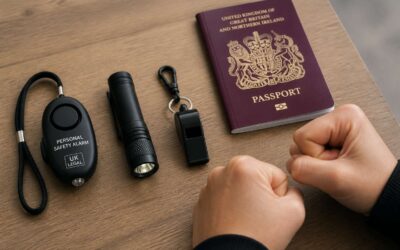
Commonly allowed personal safety items, used for deterrence and peace, won’t land you in hot water. Think non-weapon tools that boost your voice or visibility:
- Personal alarms that emit a loud siren
- Whistles and bright, high-lumen torches
- Phone safety apps and location-sharing devices
- Training resources and self-defence awareness programs
Law enforcers view these as non-lethal options aimed at disengagement and help-seeking, rather than harm. They’re there to deter, not to escalate a situation—remember to choose the path that keeps you safe and compliant. For South African readers, the takeaway is similar: prioritise deterrence and awareness while staying within your jurisdiction’s rules.
Permitted impact tools and considerations for use
A single alarm can deflect a looming threat before it unfolds, turning fear into a prompt escape. When considering what self defence weapons are legal in victoria, the answer leans toward deterrence and disengagement rather than harm. Tools that project visibility and voice stay within the line of safety and statute.
Permitted impact tools and considerations for use are framed around non-injury aims. Examples include:
- Personal alarms that emit a loud siren
- High-lumen torches and whistles that draw attention
- Location sharing and safety apps that summon help
These tools align with the state’s expectation of proportionality and de-escalation; they deter without elevating risk.
For South African readers, the same deterrence-first philosophy applies—keep awareness and lawful boundaries central, and let proportionality guide responses within your jurisdiction.
Age, licensing, and possession requirements for specific items
Two seconds of a loud alarm can shift a tense moment into a safe exit. For readers asking what self defence weapons are legal in victoria, the answer leans toward deterrence and disengagement rather than harm—the emphasis is on visibility and voice within safety rules.
Legal self defence tools and devices permitted in Victoria are designed to deter, not injure. They include:
- Personal alarms
- High-lumen torches
- Whistles
- Location-sharing safety apps
Age, licensing and possession: Personal alarms, whistles, and safety apps generally require no licence. Devices intended to injure, such as stun guns or chemical sprays, are restricted or illegal to possess without strict authorization. Always verify with Victorian authorities before purchasing.
Contextual factors that influence legality of self defence tools
Deterrence in a heartbeat saves lives! Readers often ask what self defence weapons are legal in victoria. The emphasis is on visibility and voice—backed by safety rules that favour retreat over harm. Tools that deter, not injure, align with the law and balance personal safety with community protection.
Consider these commonly permitted tools:
- Personal alarms
- High-lumen torches
- Whistles
- Location-sharing safety apps
Age, licensing and possession for these items generally require no licence; devices intended to injure are restricted or illegal without strict authorization. Always verify with Victorian authorities before purchasing.
Examples of compliant devices and recommended best practices
When safety and legality intersect, practical choices shine. For those curious about what self defence weapons are legal in victoria, the answer leans toward deterrence that protects both person and community. The emphasis is on visibility and voice—tools that deter rather than injure, backed by calm safety rules.
Consider these compliant devices:
- Personal alarms
- High-lumen torches
- Whistles
- Location-sharing safety apps
Always verify with Victorian authorities before purchasing; devices intended to injure are restricted. In this approach, deterrence and discretion guide choices that feel empowering yet responsible.
Items generally prohibited or tightly restricted in Victoria
Knives, blades and other edged weapons in public spaces
Gloom threads through Victoria’s streets, where the question of what self defence weapons are legal in victoria lingers like mist over a vigil. Public spaces demand restraint, and the law carves sharp lines between prudence and peril.
Items generally prohibited or tightly restricted in Victoria include knives and edged tools wielded in public spaces. The categories below illuminate the shadowed edges:
- Switchblades (automatic knives)
- Gravity knives
- Butterfly knives (balisongs)
- Disguised or covert blades
Across the sea, in South Africa, the landscape differs, yet the aim remains the same: to move through daily life with awareness while staying within the law. Victorian restrictions cast a poetic caution over every step.
Stun devices and electroshock weapons
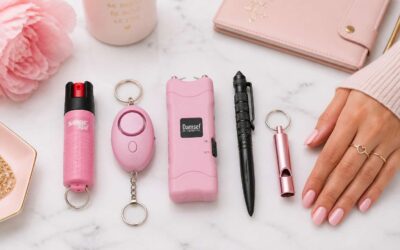
Stun devices and electroshock weapons occupy a shadowy corner of Victoria’s weapon rules. In everyday life, civilian possession isn’t allowed without strict authorization. Public spaces demand restraint, and the law treats these devices as high-risk tools rather than everyday safety aids. Many people wonder what self defence weapons are legal in victoria.
Rules are tight: these items are generally prohibited or tightly restricted for civilians. Only licensed security professionals and law enforcement may carry them in certain contexts. For ordinary safety, consider non-weapon options and legally sanctioned safety devices that don’t operate as weapons.
- Stun devices and electroshock weapons are typically classified as prohibited weapons.
- Possession usually requires a permit or explicit authorization.
- Transport in public spaces is subject to strict controls and penalties for non-compliance.
Blunt instruments and improvised weapons
A razor-thin line separates practical safety tools from weapons in Victoria, a boundary the courts guard with vigilance. what self defence weapons are legal in victoria? In practice, blunt instruments and improvised devices sit in the prohibited or tightly restricted corners of civilian possession; only licensed professionals may carry certain items in defined contexts. Public safety statutes treat these tools as high‑risk, with severe penalties for those who misstep into the wrong space.
- Blunt instruments designed to strike or injure (clubs, heavy bats, or devices repurposed to cause harm)
- Improvised weapons fashioned from everyday items (customized shopping bags, pipes, or other makeshift clubs)
- Concealed or easily deployed devices intended to inflict harm (hidden blades, knuckles, or other covert implements)
The taxonomy mirrors a broader ethos: legislate restraint and clarity in the use of force, even as weapons rules continue to evolve through policy updates and judicial interpretation.
Specialist weapons and items with restricted import or possession
Demanding line, this border between safety and harm; Victoria enforces it with precision. So, what self defence weapons are legal in victoria? Generally, only purpose-built tools used in lawful contexts, with strict licensing and clear limitations. For South African readers, the regime may feel stringent by comparison, yet restraint is the through-line.
Items generally prohibited or tightly restricted in Victoria:
- Blunt instruments designed to strike or injure (clubs, heavy bats, or devices repurposed to cause harm)
- Improvised weapons fashioned from everyday items (customized shopping bags, pipes, or other makeshift clubs)
- Concealed or easily deployed devices intended to inflict harm (hidden blades, knuckles, or other covert implements)
Additionally, specialist weapons and items with restricted import or possession face stringent controls enforced by authorities, guided by legislation and judicial interpretation. Access hinges on licensing, intended use, and context of possession.
Penalties, enforcement, and legal consequences
Potential charges, penalties, and maximums under Victorian law
Penalties for weapons offences are real and far‑reaching, and enforcement is relentless. “Weapons demand accountability,” a Victorian judge observed, underscoring that even seemingly harmless items can trigger serious consequences.
Offences span possession, carrying, and use, with penalties that rise with risk or harm.
- Possession of a prohibited weapon without a permit or exemption
- Carrying a weapon in a public place without a lawful excuse
- Using or threatening to use a weapon in an incident that causes injury or fear
- Importing, selling, or supplying restricted items unlawfully
Enforcement is overseen by Victoria Police and the courts, and maximum penalties vary by offence, ranging from fines to multi‑year imprisonment. For those asking what self defence weapons are legal in victoria, the answer depends on context, weapon, and intent.
Judicial decisions weigh context, necessity, and proportionality, shaping outcomes when assessing legality and punishment.
Police intervention, investigations, and court processes
Penalties for weapon offences in Victoria are real and far-reaching, and enforcement is relentless. The justice system weighs risk and intent, and even seemingly harmless items can trigger serious consequences. Penalties span fines to multi‑year imprisonment, with harsher outcomes where the danger or harm is greater.
Police intervention unfolds with scene management, evidence collection, and quick-witted interviews of witnesses. Investigations extend to CCTV reviews, seized items, and evaluating self‑defence claims against necessity and proportionality. In court, judges weigh context and the balance of forced response before deciding on charges, penalties, and possible convictions. For those asking what self defence weapons are legal in victoria, the answer depends on context, weapon, and intent.
- Arrest, bail, and court appearances
- Evidence preservation and disclosure
- Judicial assessment of necessity, proportionality, and defence claims
These processes emphasize accountability and community safety, guiding outcomes influenced by evidence strength.
Defences, mitigations, and how liability is determined
Penalties for misusing a self defence weapon in Victoria are not mere fines—they can lead to multi‑year imprisonment. Enforcement is relentless: scene management, evidence collection, and swift witness interviews set the tempo. When considering what self defence weapons are legal in victoria, outcomes depend on context, the weapon, and the defender’s intent, not on a checklist of items.
Defences and mitigations hinge on necessity and proportionality; liability turns on whether the response was reasonable given the threat. For South African readers, the contrast with local norms is instructive, reminding us that courts weigh the claim of necessity against broader standards. Courts scrutinize the balance between danger and restraint, the availability of alternatives, and the defender’s state of mind, rather than the mere possession of a tool. The aim is accountability and public safety, with evidence playing a decisive role in shaping charges and outcomes.
Case examples and how outcomes are shaped by legality and context
A split-second decision can spark a legal domino effect. In Victoria, penalties for misusing a self defence weapon can reach multi-year imprisonment, and courts judge not the tool alone but the necessity behind the action. “Justice is measured by necessity, not the weapon,” one magistrate has warned.
Enforcement is relentless: scene management, evidence collection, and swift witness interviews set the tempo. Understanding what self defence weapons are legal in victoria helps readers grasp why outcomes hinge on context, weapon type, and the defender’s intent, not on a mere checklist.
- Home or domestic defense scenarios where there are no realistic safe alternatives
- Public incidents where the threat is ongoing and proportionality is contested
- Cases balancing the availability of alternatives against the defender’s state of mind
Case examples reveal that outcomes are shaped by legality and context. For South African readers, the contrast with local norms underscores how courts weigh danger against restraint, prioritizing accountability and public safety over possession alone.
Practical guidance for staying compliant and safe
Risk assessment and choosing lawful safety options
Safety, in the end, is a calculus of context rather than a shelf of gadgets. The law weighs intent, proportionality, and place more than the sheen of any tool. Understanding what self defence weapons are legal in victoria helps readers navigate risk with confidence.
Practical guidance for staying compliant and safe begins with a risk assessment—something I advocate—and selecting lawful options.
- Assess common scenarios you face (commutes, social settings, late shifts) and where trouble could arise
- Choose protection that is explicitly permitted and requires minimal training
- Verify licensing, storage, and transport rules before acquiring or carrying anything
South African readers may recognise the emphasis on context and proportionality as a shared legal prudence. Avoid improvised tools; rely on products with clear legal status and seek professional advice if in doubt.
Safe handling, storage, and carrying considerations
Safe handling starts long before you buy—because most confrontations don’t happen in the moment. When exploring what self defence weapons are legal in victoria, the practical path is a risk-aware plan, not a shopping spree. Understand how to transport, store, and carry while staying within the rules.
- Storage considerations emphasize secure, compliant setups and clear documentation where required.
- Carrying should align with items explicitly permitted and licenses where required, keeping records readily available.
- Transport should be discreet and avoid displays that could attract unwanted attention or penalties.
Verify storage and licensing rules before acquisition, and consult authorities or professionals if uncertainties linger. South African readers may recognise the emphasis on context and proportionality as universal safety prudence.
Getting legal advice and staying updated on Victorian regulations
Safety begins with knowing the rules that guard you and others. Understanding what self defence weapons are legal in victoria helps you navigate storage, licensing, and transport. A clear map beats a hurried purchase, especially when tension makes choice seem urgent.
Practical guidance for staying compliant is a practice of mindful preparation. Getting legal advice and staying updated on Victorian regulations matters—regular checks with official sources and trusted counsel keep you aligned with the law. For South African readers, the contrast highlights the universal value of proportionality and due diligence.
- Rely on professional legal guidance and authoritative sources
- Maintain non-operational records of any licensing or training discussions
- Stay abreast of official updates from authorities
Consultation and vigilance preserve safety without courting risk, and that balance is the heart of responsible personal protection.
What to do after an incident and how to document actions
Practical guidance for staying compliant and safe starts with a cool head and solid records. For South African readers, the question what self defence weapons are legal in victoria has a shared core: clarity comes from official guidance, trusted counsel, and pausing before purchase. The right approach blends awareness with proportionality, keeping you on the right side of the law when moments turn uncertain.
After any incident, rely on documentation that reflects the situation honestly—context, timing, and the items involved—while you seek qualified legal counsel and review official updates. Accountability travels with you, mapping actions to rules to protect you and others, wherever you are.
- Context and timeline considerations
- Items involved and their status
- Witnesses, authorities contacted, and follow-ups
- Legal advice received and official updates consulted
Staying aligned with licensed guidance keeps safety intact and reduces risk of misinterpretation if scrutiny follows.

0 Comments