
Understanding Pepper Spray Guns
What They Are and How They Work
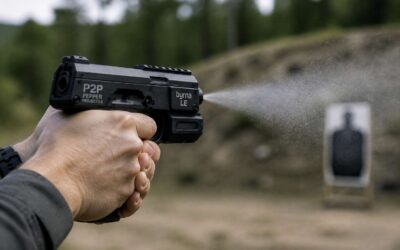
Pepper spray guns are compact, non-lethal tools designed to deter threats at close range. They deliver a capsaicinoid irritant through a directed spray, giving you a chance to escape. pepper spray gun ready or not is a common question for new users. Grasp the mechanism and you’ll see why these devices are marketed as safe alternatives for personal protection in SA.
- Cartridge holds capsaicinoids and inert carriers
- Delivery uses a pressurized propellant to send a spray
- Safety features prevent accidental discharge
Powered by a simple trigger, the system relies on controlled timing and wind awareness. In practice, accuracy matters more than clever tech, and distance is limited—so training and responsible use remain essential.
Common Myths About Pepper Spray Guns
“Protection doesn’t wait for a perfect moment,” a SA security expert says. Pepper spray guns sit in a gray area between deterrence and escalation; pepper spray gun ready or not is the question many new users ask.
- Myth: They are illegal in SA.
- Myth: They instantly stop a threat at any distance.
- Myth: No training is needed.
- Myth: Wind makes accuracy irrelevant.
Reality centers on limits: range, wind, and safety features matter more than flashy tech. Laws vary across SA, so check local rules; training and responsible use shape outcomes.
Key Safety Features to Look For
In SA’s crowded urban fabric, a split second can decide safety. The most effective deterrent isn’t bravado; it’s a tool you understand and can deploy with calm. pepper spray gun ready or not is the practical question guiding new users as they weigh deterrence against escalation.
Core safety features matter more than gadgetry. Look for a reliable safety switch, clear indicators of loaded state, and a nozzle designed to react predictably to wind. For easy scanning, consider these essentials:
- Secure safety mechanism to prevent accidental discharge
- Visible indicators showing charged status and remaining spray
- Wind-stable nozzle and consistent spray pattern
- Ergonomic grip and a reliable holster fit
Laws vary across SA, so check local rules; training and responsible use shape outcomes. Readiness is a blend of range awareness, environmental factors, and feature quality—not hype—and that distinction guides how you think about every encounter.
Readiness and Safe Handling
Storage and Accessibility
“Safety is motion, not hesitation.” The pepper spray gun ready or not equation guides daily choices for personal protection in South Africa. Readiness means the device is present, functional, and within secure reach when it matters most. The emphasis is on calm awareness, not panic.
Safe handling means respecting the tool, keeping it clean, and following manufacturer guidance and local laws. Proper training matters, but the core idea is simple: never tamper with the device; never expose it to extreme conditions or unintended access. When traveling, consider carrying it in a locked, designed case away from children or pets.
- Secure storage: a locked container out of reach of minors
- Clear accessibility: a location that allows quick access in an emergency, yet protected from casual handling
- Labeling and expiry checks: ensure the canister remains within its valid period
Accessibility considerations reflect practical, urban realities in South Africa, balancing deterrence with safety. The aim is to keep the device within reach for protection without inviting misuse—aligned with professional standards and local regulations.
Pre-Use Checks and Maintenance
In the street theatre of South Africa’s cities, the maxim lands with a thud: calm is a weapon. The idea of pepper spray gun ready or not sits in the margin between purchase and quiet prep, where maintenance does the heavy lifting. Readiness means the device exists, is functional, and sits within secure reach when minutes matter, not moments slip away in a panic.
Safe handling starts with respect for the tool and adherence to manufacturer guidance and local laws. Pre-use checks hinge on cleanliness, intact seals, and current expiry; maintenance is a gentle, ongoing ritual rather than a sprint to the finish line. When you travel, the case is more than a fashion statement—it’s a cocoon that keeps the device safe yet accessible in emergencies.
Reload and Backup Procedures
Calm is a weapon, and in South Africa’s bustle, readiness sits at the edge of action rather than in the glare of a momentary panic. pepper spray gun ready or not—this is the question that travels between purchase and quiet prep, where intention becomes protection and responsibility.
Readiness means the device exists, is functional, and sits within secure reach when minutes matter. Safe handling starts with respect for the tool and adherence to manufacturer guidance and local laws. Keep it in a purpose-built case that’s easy to grab yet safe from curious hands, and practice mindful storage during travel so it stays accessible without inviting risk. In my experience, careful preparation steadies the nerves when paths cross in the city and a moment can redefine a life in an instant.
Reload and Backup Procedures require routine checks, manufacturer-aligned rotation, and a simple, calm plan if one unit becomes inaccessible—like securing a second device in a separate safe spot, and ensuring expiry dates are tracked.
Training and Legal Obligations
In South Africa, one in five urban residents cites personal safety as a daily concern. The quiet truth is this: pepper spray gun ready or not is a plan you carry, not a moment’s impulse. Readiness means the device exists, is functional, and sits within secure reach when minutes matter. Safe handling starts with respect for the tool and adherence to manufacturer guidance and local laws.
Safe handling training is practical and ongoing. It isn’t only about knowing how to deploy; it’s about preparation, communication, and accountability.
- Hands-on familiarization with the device under supervision to build muscle memory
- Understanding South African legislation and any municipal rules around possession and use
- Regular checks: expiry dates, maintenance, and secure transport during travel
Legal, Ethical, and Usage Considerations
Regional Regulations and Compliance
Security studies show a growing reliance on non-lethal defenses in urban life, and a recent survey hints that a quarter of South Africans consider personal-safety devices essential. The question pepper spray gun ready or not sits at the crossroads of legality and responsibility. In South Africa, regional regulations and compliance shape what you can own, where you can carry, and how you must store such devices.
Ethical considerations demand restraint, preventing harm to bystanders and acknowledging the broader public safety context.
- Legal status and permitted contexts
- Ethical use and proportionality
- Record-keeping and reporting requirements
Regional regulations and compliance translate into storage, transport, and training expectations that vary by province and city—keep abreast of local amendments and official guidance to navigate this landscape responsibly.
Permissible Use and De-Escalation Strategies
In South Africa, the question “pepper spray gun ready or not” frames both training and temperament under one roof. Legal use hinges on context, location, and the principle of proportionality, and you must align with regional rules, storage norms, and bystander safety.
Ethical use means you protect yourself without turning public spaces into potential hazards. When a threat appears, de-escalation should lead the response; escalate only if unavoidable, and avoid injuring anyone beyond what is necessary for safety. If you ever have to act, aim for a restrained, temporary intervention and document what happened.
- Principle of threat assessment and retreat where feasible
- Clear verbal warnings remain essential
- Any force used should be proportionate and limited in scope
Regional regulations shift by province and city, so stay abreast of official guidance to navigate this landscape responsibly.
Ethics of Pepper Spray Deployment
Legal, in South Africa, pepper spray deployment hinges on context, location, and proportionality. The question “pepper spray gun ready or not” becomes a shorthand for situational legality—preparedness paired with restraint. Regional rules shift by province and city, so staying current with official guidance isn’t optional; it’s essential for safe, lawful action.
Ethical deployment asks you to protect yourself without transforming public spaces into hazards. Threat assessment and retreat when feasible shape the response; clear verbal warnings matter, and any force used should be proportionate and limited in scope to what is necessary for safety.
Usage considerations emphasize accountability: act only when avoidance is impossible, document what happened, and prioritize bystander safety. The question of pepper spray gun ready or not should stay at the periphery of planning—readiness must be a restrained, temporary intervention, not adrenaline-fueled dominance.
Liability and Documentation
In South Africa, legality hinges on context, location, and proportionality. The question pepper spray gun ready or not frames the issue clearly: possession and deployment must align with provincial and municipal rules, police guidance, and human rights considerations.
Ethical deployment means protecting yourself without turning streets into hazards. Conduct threat assessment, retreat when feasible, and issue clear verbal warnings. Any response should be proportionate and limited to what is necessary for safety—keeping bystanders safe!
Liability and documentation go hand in hand with responsible use. Act only when avoidance is impossible, and record what happened for accountability and oversight. Clear records help protect bystanders and provide a documented trail for authorities.
- Time, location, and any witnesses
- Warnings given and actions taken
- After-action notes and follow-up details
Practical Scenarios and Comparisons
Urban Self-Defense Scenarios and Quick Tips
Across South Africa, urban safety surveys indicate that more than 40% of city dwellers have felt unsafe after dark. That question—pepper spray gun ready or not—haunts the street as neon bleeds into the sidewalks and the night takes on its own tempo, a Shakespearean pause before risk.
Practical Scenarios and Comparisons: In buses, late metro platforms, or dim shopping precincts, the mind rehearses choices as traffic lights blink. Readiness sits beside awareness and de-escalation; a pepper spray device is a deterrent, not a guarantee, shaped by wind, distance, and the unruly choreography of crowds.
Urban Self-Defense Scenarios and Quick Tips: The cadence of modern threats demands calm, clear sightlines, and a respect for legal boundaries. Quick tips—stay on well-lit routes, keep the device accessible, and rehearse mental de-escalation—anchor a thoughtful, ethical approach to personal safety in the South African cityscape.
Pepper Spray Guns vs Standalone Pepper Sprays
In the neon-soaked streets of South Africa, the question pepper spray gun ready or not hovers like a streetlight halo. A device isn’t a guarantee, but a quiet edge—an echo of wind and momentary glare, shaping how you breathe, decide, and move when danger brushes the curbside.
- Range and handling: a pepper spray gun brings sights and steadier aim, widening perceived reach.
- Deployment dynamics: cartridge behavior and wind drift sculpt accuracy more than a standalone spray.
- Form factor and access: lighter carry with concealment options, yet demands mindful storage and training considerations.
Between choice and consequence, the decision rests on ethics, readiness, and the city’s pulse—the moment will answer.
Device vs Other Personal Safety Tools
In South Africa’s neon nights, practical scenarios test more than reflexes. The question pepper spray gun ready or not frames every decision—from the breath before a cautious step into a shadowed doorway to the moment you aim and retreat. A device isn’t a guarantee, but it sharpens timing and focus.
- Range and aim: widens perceived reach and steadies your sightline.
- Wind drift: air flow and exposure shape accuracy more than the canister alone.
- Carry and concealment: lighter to stash, but requires training and mindful access.
- Cost, upkeep, and legal risk: longer commitments than some alternatives.
Ultimately, the choice sits at the intersection of risk tolerance, ethics, and the daily rhythm of urban life—the street pulse of the city.
Practice Tools and Training Resources
In South Africa’s neon-lit avenues, practical scenarios demand more than reflexes. The question pepper spray gun ready or not is a hinge of judgment, not a guarantee; it presses you to weigh risk, ethics, and timing in the space between a shadowed doorway and the street’s indifferent pulse.
Where practice meets perception, thoughtful comparisons come alive.
- Accredited safety and de-escalation courses that emphasize decision-making under pressure
- Non-chemical training aids and dry-run drills that simulate stance and transitions
- Reflective tools such as incident journaling and peer debriefs to sharpen judgment
Investing in training resources yields more than readiness; it offers data points for your ethical compass and a steadier breath when the city roars.
Real-World Case Studies
City nights hum with neon and risk, and the question pepper spray gun ready or not hovers at every shadowed doorway. It is a hinge of judgment, not a guarantee, pressed by adrenaline and space between threat and response. In South Africa, timing weighs as heavily as intent.
- Late-night taxi ranks and bus stops
- Crowded market edges near station entrances
- Isolated stairwells behind venues
Real-world case studies in urban squares and quiet blocks reveal that comparisons sharpen perception. A measured response can de-escalate a scene without surrendering personal safety, while a misread cue can drag consequences across the pavement. The landscape asks for discernment, not bravado!


0 Comments