
Legal landscape and compliance
Legal status by country and region
I’ve spoken with compliance officers who warn that the legal landscape for a self defence blank gun shifts like sand. In South Africa, classification can hinge on whether the device is treated as a firearm or a replica, with licensing, storage, and transport rules shaping every decision. The hook here isn’t bravado—it’s accountability and clarity.
Across regions, the baseline tends to be similar:
- South Africa: stringent controls under firearms legislation; permits may be required for possession and transport, with safety standards enforced.
- Europe: many countries treat blank guns as firearm-like devices or require licenses or permits for import, possession, or display.
- United States: regulation varies by state; some places regulate as firearms, others fall under consumer or toy laws, with age and transport rules applying.
Ultimately, staying aligned with local authorities preserves safety and credibility.
Regulations on possession, transport, and use
In South Africa, the legal landscape for any self defence blank gun shifts like dunes under a heat haze. Compliance isn’t bravado—it’s stewardship. Possession, transport, and use follow firearms regulation, licensing standards, and safety codes authorities enforce with care. “Safety is a responsibility,” a compliance officer reminds us, and the idea sticks. Rules for the self defence blank gun are precise, even when the device resembles a harmless prop.
- Possession status under national firearms legislation or equivalent protections
- Licensing or permits required for ownership and/or transport
- Storage standards to prevent access by unauthorized persons
- Transport rules for handling and display in public or semi-public spaces
Across regions, the baseline stays the same: stay aligned with local authorities to preserve safety and credibility. This isn’t swagger but sober responsibility with a device like the self defence blank gun. Clarity around purchase and use keeps readers within the law.
Age and licensing requirements
In South Africa, ownership of a self defence blank gun lands squarely in the realm of regulation. Age and licensing are the gatekeepers: you must be of lawful age to possess and acquire, and a licence or permit is typically required for ownership and transport. Authorities treat these devices with the same seriousness as firearms, enforcing safety codes, screenings, and responsible handling.
- Age threshold: typically 18 years or older to possess a self defence blank gun under applicable law.
- Licensing or permits: a firearm licence or similar permit may be required for ownership and/or transport, with compliance tied to storage and handling standards.
Clarity around purchase and use keeps readers within the law and strengthens credibility. Local enforcement mirrors the national framework, guiding cautious use without eroding the line between prudence and bravado.
Penalties and enforcement
The South African legal landscape treats the line between prudence and peril as razor-thin. A single misstep during possession or transport can invite severe penalties, because authorities treat a self defence blank gun with the same seriousness as a firearm. Enforcement agencies emphasise stringent screening, secure storage, and responsible handling, turning each purchase into a test of compliance and character.
- Fines and possible imprisonment
- Licence revocation and confiscation of the device
- Enhanced penalties for transport violations or unlawful use
Regulatory bodies periodically update the framework, and compliance remains a moving target. Expect inspections, documentation reviews, and the steady hand of prosecutors who translate risk into penalties. The result is a cautious public that respects the gravity of owning a device marketed as self defence.
Understanding self defence blank guns: types, features, and safety
What is a blank gun and how it differs from real firearms
In a world where a loud encounter can be decided in a heartbeat, understanding self defence blank gun dynamics matters more than ever. This kind of firearm replica uses blank cartridges to produce sound and recoil without firing a projectile, giving you a non-lethal deterrent option that still feels serious.
Types vary by purpose and feel:
- Replica pistols that chamber blanks to simulate recoil
- Compact revolver styles with non-firing mechanisms for safe handling
- Training models with clear markings and built-in safe mechanisms
Key features include authentic weight, controllable sound signatures, and safety interlocks that prevent accidental discharge. Here in South Africa, these elements help simulate real-world handling while minimising risk to bystanders or users during practice.
What distinguishes a self defence blank gun from real firearms is the absence of a projectile. Blank guns discharge only gas and flame, and blanks can pose their own hazards, such as ricochet and debris; therefore, strict adherence to training and safety protocols shapes responsible use.
Common models and configurations
In seconds, perception can tilt a confrontation toward safety—or escalation. A self defence blank gun is designed to deliver authenticity without a projectile, letting handlers practise stance, timing, and presence. Realism comes from careful weight, grip, and simulated recoil that feels serious but remains non-lethal.
Across models, the aim is credible handling with built-in safety concepts, clear markings for training, and predictable sound signatures. Choose configurations that balance heft, balance, and accessibility so you can respond to threats with confidence while staying within safe practices. It’s essential to recognise that, while no projectile is fired, the gas, flame, and debris risks still shape how you train and store these tools in real-world settings.
Safety mechanisms and handling guidelines
Momentum matters: credibility in your stance can tilt a confrontation toward safety. In today’s urban landscape, many in South Africa seek training tools that feel authentic without bullets, letting them rehearse stance, timing, and presence under pressure.
Understanding the types, features, and how they simulate real recoil helps. From compact pistols to longer gun-shaped devices, each aims for credible handling with balanced weight and grip. The self defence blank gun concept captures the essence: practice realism without projectiles.
Safety mechanisms and handling guidelines matter as much as realism. Look for built-in safeties, clear markings, and predictable sound signatures. Handling guidelines: treat as loaded, keep your finger off the trigger, muzzle discipline, and store responsibly.
- Built-in safety mechanisms and clear markings
- Proper handling and discipline: trigger finger off, muzzle awareness
- Secure storage and transport away from heat and children
Myths and misconceptions about blank guns
In the training realm, realism is currency and calm under pressure is the capital. A seasoned instructor might quip that realism can tilt a tense moment toward safety. In South Africa’s cityscapes, the self defence blank gun offers authentic handling without live ammunition, letting you rehearse stance, timing, and presence under pressure.
These devices range from compact pistols to elongated simulators, each engineered for credible weight and grip, with recoil and sound cues that mimic realism—without discharge.
Myths abound: it’s a toy; it’s a miracle; or it replaces training! The truth is nuanced: built-in safeties, clear markings, and reliable force cues help practitioners think about distance, timing, and presence rather than mere noise. Understanding the self defence blank gun’s niche clarifies what training can achieve.
Safety, handling and responsible ownership
Safe storage and transport
“Safety is a habit, not a slogan,” a seasoned instructor likes to remind us. With a self defence blank gun, the tension between restraint and readiness becomes the mark of a responsible operator. In South Africa, those who treat the device with gravity understand that appearance rarely equals power, and quiet, predictable behavior outperforms bravado when the moment arrives.
Handling should be guided by respect for others and by the law; never aimed at anything you wouldn’t defend. Safe storage and transport are the quiet commitments that separate caution from recklessness. The concept matters because a misplaced device becomes a liability to family, neighbours, and the public.
- Legal compliance and due diligence
- Secure, controlled access storage
- Discreet, compliant transport practices
The right stance is humility and responsibility: owning a self defence blank gun is not about bravado but about safeguarding communities across South Africa—from schools to shopping districts, I have learned that the burden of trust rests with the owner.
Safe training and protective measures
In the quiet moments before action, safety crystallizes into character. A self defence blank gun demands discipline: calm, controlled handling that honours the gravity of power without surrendering to bravado. Mindful practice shapes outcomes more than impulse.
Respect for others, obedience to the law, and thorough training are the trinity of responsible ownership. Safe training and protective measures become second nature when you insist on repetition with purpose. Here are essentials that keep communities safer while you learn:
- Qualified instruction and verified training programs
- Controlled environments and clearly marked practice zones
- Protective gear, including eye and hearing protection
- Transparent debriefs and reporting of near-misses
With humility as a stance, the owner of a self defence blank gun carries a burden of trust—one that translates into predictable behavior, vigilance, and respect for South Africa’s public spaces.
Maintenance and inspection routines
Power is a responsibility, a line many learn the hard way. In the quiet moments before action, safety crystallizes into character, and that depth guides every decision around a self defence blank gun.
The device demands calm, controlled handling and a steadfast respect for the law. Safety isn’t magic—it is habit, built through mindful practice and deliberate presence rather than impulse.
Maintenance and inspection routines keep performance predictable and communities safer. Regular professional oversight, clear documentation, and strict storage standards form the backbone of responsible ownership.
- Qualified professional inspection schedule
- Documentation of service and near-miss reporting
- Secure, compliant storage and transport practices
- Visual integrity checks by a qualified technician
In South Africa, this burden of trust translates into vigilant behavior and respect for public spaces—where discretion, accountability, and prudence guard each moment.
Ethics and risk assessment in self defense scenarios
A single decision can tilt the balance between safety and harm. When contemplating a self defence blank gun, the ethics of use are inseparable from risk assessment, including how you handle the device, because the instrument elevates responsibility at every moment. In South Africa, safety isn’t a slogan—it’s a practiced discipline that shapes every choice.
- Legal and ethical accountability—knowing when restraint applies and documenting decisions
- De-escalation first—awareness, distance, and clear communication
- Ongoing training and transparent documentation to support responsible ownership
Risk judgments in self defence scenarios hinge on context, surroundings, and the consequences of action. The choice to act should be informed by calm, clear thinking, and community norms. In South Africa, such prudence keeps public spaces safer and trust intact.
Practical considerations for owners: purchase, training, and alternatives
Budget, brands, and legitimate procurement options
Safety is a choreography you perform, not a gamble. As one South African security consultant puts it, “Safety is a choreography you perform, not a gamble”—a reminder that every choice, even a purchase, shapes protection. For the self defence blank gun, practical considerations begin with legality, context, and conscience.
Budget and brands matter. I’ve learned that a clear budget covering the item, training, and maintenance makes the path clearer. Seek reputable brands known for reliability, and pursue legitimate procurement options through licensed dealers who can verify compliance with South Africa’s firearms control regulations. Confirm whether the model is designed for blank firing and whether it’s permitted for your intended use. The right choice glows with responsibility, not spectacle.
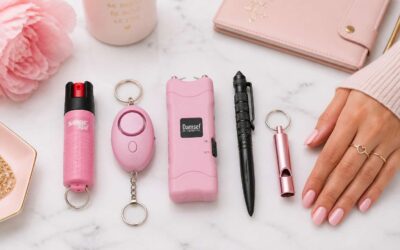
Training and alternatives: Invest in accredited training focused on safe handling and scenario awareness; never rely on equipment alone. Consider non-lethal deterrents such as personal alarms or legal, responsibly used deterrents as alternatives.
Training resources and courses
Safety isn’t a single purchase; it’s a daily routine. The self defence blank gun becomes a tool within a broader plan—one built on responsible choice, training, and ongoing evaluation. In South Africa, where every street corner tells a story, practical choice matters more than bravado.
Purchase and ownership hinge on two pillars: reliable support and accountability. Seek ergonomic design, clear manuals, and a safety system you can trust in the field. For training resources, look to accredited courses that cover safe handling, storage, and scenario-based drills.
- In-person courses at accredited facilities
- Supervised range sessions with a qualified instructor
- Online theory modules to build foundational knowledge
Alternatives: Non-lethal deterrents such as personal alarms, lighting, and awareness training can complement equipment. A mindful owner keeps conscience at the center, ensuring every choice serves protection, not spectacle.
Non lethal safety alternatives and situational awareness
South Africa’s streets hum with risk, and preparation is the only reliable shield. The self defence blank gun, when legally owned and responsibly maintained, sits within a broader plan built on prudent purchase, thorough training, and ongoing evaluation. It is a tool—not a talisman—whose responsibility and consequences must be understood before it ever leaves a drawer.
Practical considerations at the point of purchase and in training include these essentials:
- Ergonomic design and reliable safety mechanisms
- Clear manuals and ongoing manufacturer support
- Accredited training covering safe handling, storage, and scenario-based drills
For alternatives, consider non-lethal safety alternatives and sharpened situational awareness—deterrents that complement any device and keep the focus on protection, not spectacle.
Legal checks and compliance before purchase
In a South African city where shadows outnumber streetlamps, preparation is the only shield. The decision to own a self defence blank gun is weighed with care, legality, and the quiet ache of the streets—an act that blends responsibility with protection.
Legal checks and compliance before purchase frame the journey. At the point of decision, I seek an ergonomic design, reliable safety mechanisms, and manuals that speak clearly, with ongoing manufacturer support to lean on when questions arise.
- Ergonomic feel that fits your grip and allows steady handling
- Clear guidance and dependable updates from the maker
- Accredited training with safe handling and realistic drills
Alternatives—non lethal safety alternatives and sharpened situational awareness—complete the shield, ensuring protection is a choice, not a spectacle.

0 Comments