
Overview of self-defence in Victoria
What constitutes self-defence under Victorian law
In Victoria, more than half of self defence cases hinge on how quickly a threat is perceived and whether the force used was proportional. That split-second calculus sits at the heart of self defence laws victoria, shaping what courts deem reasonable in the heat of the moment.
Under Victorian law, self-defence must be about immediate protection from a threat and a reasonable belief that force is necessary. The tests are high-level, focusing on proportionality and immediacy. For South African readers, it’s a reminder that restraint remains the default, even when danger appears imminent.
- Proportionality of the force used to the threat
- Immediacy of danger and necessity of defending oneself
- Reasonable belief supported by the surrounding circumstances
These pillars anchor the interpretation of self defence laws victoria when juries weigh culpability.
Core legal principles guiding self-defence
In the split second when danger looms, the law demands a cool, clear calculation. self defence laws victoria shape how courts read your actions, weighing immediacy, necessity, and proportionality in the heat of the moment. For South African readers, the chasm between courage and recklessness narrows when safety hinges on perception and restraint, as if the moment itself whispers.
- Evidence of immediacy matters: what you perceived at the moment and what others observed.
- Context is king: surrounding circumstances, lighting, and your physical state influence the verdict.
- Behavior after the event — seeking safety and reporting promptly — can tilt credibility.
Even a heartbeat can tilt a courtroom, so the narrative you present must align with verifiable facts and plausible fear. In Victoria, the law rewards measured response that respects the line between protection and aggression.
Key statutes, including relevant acts and sections
In Victoria, the self defence laws victoria are not a free pass to strike first; they are a narrow corridor carved by statute and judge-made prudence. The framework rests on the Crimes Act 1958 (Vic), where sections describe when force is reasonable, necessary, and proportional to an imminent threat. For South African readers, that blend of courage and restraint mirrors real-world concerns about perception, risk, and consequence.
- Crimes Act 1958 (Vic) – provisions governing lawful use of force, immediacy, necessity, and proportionality
- Evidence Act 2008 (Vic) – rules on admissibility, credibility, and how fear is evidenced
- Jury Directions Act 2013 (Vic) – guidance on how judges direct juries about self-defence
Taken together, these statutes announce a disciplined framework for self defence laws victoria, where the narrative must align with verifiable facts and plausible fear.
How courts assess self-defence claims
In Victoria, self defence claims are a careful balance, not a free pass to strike first. The framework rewards restraint and clear context, a matter of timing and perception rather than bravado. Within this landscape, self defence laws victoria speaks to a disciplined approach where fear is weighed against signs of threat, and actions are measured against what a reasonable person might do in the moment.
Courts weigh the story as told by witnesses, the consistency of fear, and whether the chosen response could have been avoided. Judges guide juries to distinguish genuine danger from flare and emotion, anchoring verdicts in credible facts and observable conduct. The outcome hinges on whether the defendant’s behavior matched the reality they faced at the time, not on hindsight.
Legal tests and standards in Victorian self-defence
Reasonableness and the objective test explained
Courts in Victoria judge self-defence with a single, brutal question: would a reasonable person in your shoes have acted the same way? The outcome hinges on the interplay of reasonableness and strict timing, turning a tense moment into a courtroom test. This is the crux of self defence laws victoria, where danger and duty collide in the judge’s gaze.
The objective test keeps emotion out of the verdict. For South African readers, that ‘reasonable person’ standard echoes familiar constitutional themes. It asks what a reasonable person would have believed about the threat, and whether the force used was necessary and proportionate to that threat. In practice, juries weigh perceptions, actions, and consequences to decide if the response was justified, not merely brave.
- Imminence of threat
- Proportionality of the response
- Reasonable belief supported by circumstances
Considerations about the defendant’s age, physical capacity, and whether safer options existed help frame the outcome. The common thread is fairness: the court seeks a standard that respects genuine fear and the pressures of a sudden moment, applying self defence laws victoria.
Necessity and proportionality principles
Within the theatre of Victorian justice, legal tests for self-defence crystallize around two stern ideals: necessity and proportionality. In self defence laws victoria, the question is whether the response was truly needed to avert harm and whether every safer option was foregone when danger loomed.
Necessity weighs the moment’s immediacy; proportionality judges the force against the threat’s scope. Together, they temper instinct with restraint, ensuring protection does not eclipse judgment.
- Necessity: was intervention the last viable option to prevent imminent harm?
- Proportionality: was the degree of force commensurate with the danger faced?
Imminence and threat perception
Danger does not arrive with a pause button, and the clock is the judge in Victorian self-defence moments. Imminence asks if harm was about to strike now, while threat perception tests how a reasonable person would read the scene under stress.
- The immediacy of the threat: is it imminent or could it be avoided with time and space?
- Perceived danger: what did the defender believe at that exact moment, and would a reasonable observer share that belief?
- Feasible safety options: were retreat or de-escalation reasonably possible before any force was used?
These considerations illuminate how self defence laws victoria frame the boundary between courage and chronology.
Belief in threat and errors of judgment
Legal tests and standards in Victorian self-defence frame belief in threat as a process, not a crystal moment. In this framework, self defence laws victoria demand that action be grounded in how a reasonable person would read the scene under pressure.
Belief in threat is the defender’s mind in the moment of chaos. Errors of judgment can sneak in when adrenaline surges and perception narrows.
- misreading intent or cues
- overestimating harm or danger
- overlooking safer options like retreat or de-escalation
Courts test these beliefs against an objective standard: would a reasonable observer under stress share the defender’s impression? The line between courage and misread danger rests on timing, context, and proportionality.
Ultimately, belief in threat and errors of judgment are filtered through a framework that prioritises accountability over impulse.
Court interpretations and precedent
In Victorian courtrooms, a heartbeat can decide more than a shout. The law tests a defender’s belief against how a reasonable person would read the scene under pressure. This is self defence laws victoria in motion: a call to balance courage with accountability, urgency with restraint. When adrenaline surges, perception narrows, but the courtroom still demands clear-eyed consistency rather than bravado.
Courts lean on precedent, drawing lines between fear and fact from prior rulings. The interpretation filters youth of cases through the lens of reasonableness, immediacy, and necessity, shaping the boundary where protection ends and overreach begins. For readers in South Africa, this Victorian approach offers a measured compass—demanding evidence of a shared impression under pressure while preserving the space for rightful defense.
Use of force guidelines in Victoria
Legal boundaries of force in self-defence
In Victoria, the line between protection and punishment is razor-thin, a tailor’s thread that can snap with a single misread gesture. self defence laws victoria prize prudence over bravado, offering a measured shield tested in the court’s eye.
When force is used, the boundary is not a playground pass but a calculated line. The perceived threat matters, but restraint and timing do as much lifting as courage when the scene ends and witnesses disperse.
- Moment framed by necessity rather than impulse
- Proportional response to the situation
- Opportunity to disengage and retreat, if safe
South African readers might recognise the cautious, almost ceremonial approach, a philosophy that keeps justice tethered to fact rather than impulse.
Deadly force limits and safeguards
In Victoria, self defence laws victoria demand more nuance than swagger. “Protection, not performance,” a veteran solicitor likes to say, and I’ve seen cases hinge on tempo and timing rather than brute force. The boundary between defense and trouble is razor-thin, and witnesses become jurors as the scene dissolves into posturing and ambiguity. For South African readers, the system can feel like a surgical balance, not theatre.
Use of force guidelines in Victoria constrain action to what is necessary and proportionate to the threat. Deadly force is last resort, with safeguards that favour retreat where safe and realistic options exist, and considerations of the safety of others and the context of the confrontation.
- Moment framed by necessity rather than impulse
- Proportional response to the situation
- Opportunity to disengage and retreat, if safe
Taken together, these guardrails promote restraint and reason, reminding readers that legality bends toward accountability when dust settles.
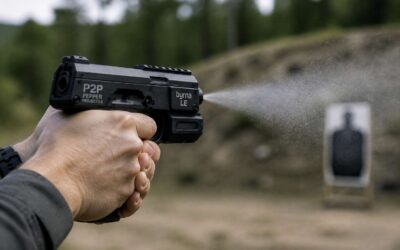
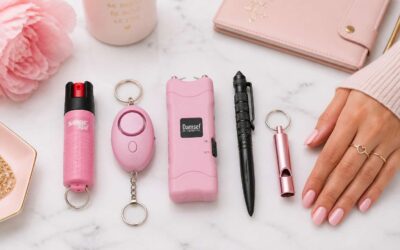
Weapons, tools and self-defence devices legality
In Victoria, even everyday items become a litmus test when you reach for protection. Within self defence laws victoria, weapons, tools and self-defence devices sit under tight regulation, not swagger. For South African readers, the approach can feel clinical and precise—a surgical balance, where timing and context matter more than bravado. The boundary between safety and harm narrows to intention and needs, guided by the surrounding circumstances rather than bravado alone.
Carrying a weapon or device is not a carte blanche. The law scrutinises how it is possessed, for what purpose, and in what setting it might be used. In practice, legality rests on context and restraint, not bravado; the mere possession may be lawful—or not—depending on the circumstances and whether it meaningfully averts danger without escalating it.
Escalation management and threat assessment
On Victoria’s streets, use of force is not a swagger but a careful calibration—echoing the principle that restraint preserves life and legality! The path through escalation management and threat assessment is anchored in self defence laws victoria, where timing and context trump bravado in every decision.
- Is the threat immediate and real?
- Are there safer alternatives or a path to retreat?
- Will your response stop the danger without escalating harm?
From a practical vantage, the moment demands clear evaluation rather than instinct. For South African readers, the cadence is familiar: assess, choose, and retreat when safe. These questions keep risk in check and align with lawful expectations.
Defensive position and avoidance strategies
On Victoria’s streets, use of force isn’t swagger; it’s a measured calculus guided by self defence laws victoria. Restraint keeps people safe and courts honest, especially when the risk is ambiguous or evolving.
Defensive positioning is about awareness and exit routes more than intimidation. The aim is to maintain space, keep hands visible, and position yourself where you can retreat to safety or barriers if needed. It’s legal to disengage as soon as the threat subsides.
Consider a few non-urgent avoidance strategies that fit Victoria’s framework:
- Acknowledge surroundings and identify safe exits
- Maintain a barrier between you and harm
- Use clear verbal signals to deter aggression
- Look for opportunities to disengage and retreat when safe
In this context, self defence laws victoria stress proportionality and reasonableness, shaping how people respond when danger arises and ensuring actions align with the bigger picture of public safety.
Practical scenarios and common misconceptions
Household incidents and home safety scenarios
Moments matter. In a home confrontation, one decision can shape your future, and the law angles the outcome more than most realise. I’ve learned that self defence laws victoria aim to balance protection with responsibility, even when fear runs high!
Practical scenarios test our instincts in real time:
- A burglar forces entry while you’re alone in the living room.
- An intruder blocks your only exit, leaving you cornered in a hallway.
- A threat develops near the home’s boundary, complicating defensive choices.
Common misconceptions buzz around home safety—people assume any defensive action is final protection, or that retreat is always impossible. For readers in South Africa, these ideas echo debates on safety and legality, underscoring that force is bounded by context. The truth is nuance: lawful protection hinges on perception, proportion, and the context you’re in, not bravado or fear alone.
Public place encounters and documentation
A sharp reminder from a seasoned officer: “Perception can be more decisive than force.” In public spaces, a split-second decision shapes safety and the legal horizon. self defence laws victoria balance protection with responsibility, even when fear spikes.
Public encounters demand calm, measured choices: a threat on a station platform, or a confrontation near a shop’s exit.
- Note exact time and location, who is involved, and any witnesses.
- Record non-identifying details (clothing, direction of travel, injuries) and preserve evidence.
- When safe, report the incident to authorities and obtain reference numbers for follow-up.
Common misconceptions buzz here too. South Africans reading about these laws often assume any defensive action guarantees safety or that retreat is never allowed. In reality, proportionality, immediacy, and context guide legitimacy, with careful documentation shaping how a case is viewed.
What authorities evaluate after incidents
“Perception can decide the outcome more than force,” a seasoned officer once said. On a busy station platform or near a shop exit, a moment’s decision can shape safety and the legal horizon. In self defence laws victoria, actions must be proportionate to the threat and immediate in necessity. For South African readers navigating Victorian rules, the aim is de-escalation and protection, not bravado or reckless risk. A calm, measured response keeps you grounded when fear spikes and helps the authorities later understand the sequence.
Common misconceptions endure: that any defensive action guarantees safety, or that retreat never has a place. In reality, authorities assess the incident by timeline, threat perception, and the reasonableness of your response; injuries, corroborating evidence, and witness accounts all play a role. The emphasis is on context, accountability, and the ability to justify why other options weren’t viable at the moment.
Myths and realities that can affect outcomes
Across a crowded station, a single decision can echo in a courtroom for years. ‘Perception decides the outcome more than force,’ a seasoned officer once said, and that truth anchors self defence laws victoria. Actions must match the threat with immediacy and proportionality, not bravado or reckless blows. For South African readers, the aim remains de-escalation and protection, a calm response that clarifies what happened.
Practical scenarios vary—from a shove on a tram to a sudden approach near a shop exit—where timing, restraint, and clear retreat can avert harm. The narrative matters: what you did, when you did it, and why it was reasonable under Victorian law.
- Myth: Any defensive action guarantees safety. Reality: Outcomes depend on threat perception, evidence, and sequence.
- Myth: Retreat is cowardice. Reality: Backing away can be prudent and lawful.
Documentation and witness accounts also shape how myths become realities under self defence laws victoria.
Role of witnesses and third-party evidence
“Perception decides the outcome more than force.” In crowded spaces, the story told by witnesses often outruns the moment itself, and self defence laws victoria hinge on that narrative as much as the incident.
Practical scenarios vary, yet the thread remains: bystander accounts, camera footage, and third-party reports shape what authorities believe about immediacy, proportionality, and necessity.
- CCTV footage from stations or shops
- dashcam or mobile video capturing the sequence
- bystander statements and police observations
South African readers may resonate with the emphasis on de-escalation and protection; witnesses help verify a reasonable belief in threat and anchor the sequence of events within the law.
Procedural steps after a self-defence incident
Immediate actions at the scene
In the theatre of self-defence, the opening act matters more than the finale. Under self defence laws victoria, the first hours after an incident shape how the case reads to police and courts. A measured account tilts the scales, especially in the first 24 hours.
Immediate actions at the scene often determine evidence quality and how your actions are perceived. For South African readers, this disciplined approach mirrors real investigations across borders. Consider:
- Ensure safety; call emergency services if anyone is injured.
- Preserve the scene; do not move anything until authorities advise.
- Record time, date, location, sequence of events, and witnesses.
- Contact a lawyer promptly and avoid statements before advice.
Your credibility rests on prompt, precise documentation. Keep notes while details are fresh and align your account with self defence laws victoria.
Engaging legal representation and counsel
When the echoes fade, the real work begins—engaging legal representation that understands how self defence laws victoria shape outcomes. A seasoned attorney translates impressions into fact, guides disclosures, and maps how evidence will be weighed by police and courts. For readers in South Africa, the principle is universal: words matter and truth travels best when supported by sound counsel.
Choosing counsel is the first, crucial decision after an incident. A focused legal partner keeps the narrative aligned with Victorian statutes and ensures proceedings move with dignity and precision.
- Look for counsel who specializes in self-defence cases under Victorian law
- Provide a clear timeline and documentation for discussion
- Let counsel control communications and avoid pretrial statements
With trusted guidance, the path from incident to resolution remains anchored in fairness and procedure.
Preserving evidence and documenting facts
After a self defence incident, the first duty is truth. Meticulous records and preserved evidence steer outcomes more than bravado. This is the quiet language of facts—self defence laws victoria. This approach resonates in South Africa as well.
- Time-stamped photos or video of the scene
- Medical reports and treatment notes
- Witness contact details and nearby surveillance
Document the sequence of events in neutral language: dates, times, locations, and who spoke to whom. Avoid speculation or charged language; clear, objective notes support memory and future review.
Maintain a simple chain of custody, store copies securely, and seek counsel to interpret findings within the rules of Victorian law.
Understanding investigations and court processes
Following a self-defence incident, investigations proceed with a focus on facts rather than bravado. In self defence laws victoria, authorities scrutinize the sequence of events, preserve scene data, and weigh witness credibility against documentary and physical evidence. The process values due process and clear documentation, a standard noted by observers in South Africa as well.
- Police inquiry and scene preservation: statements, photographs, and evidence collection
- Evidence disclosure: prosecutors share relevant material with the defence
- Court steps: bail considerations, preliminary hearings, and trial or resolution paths
- Legal representation: timely engagement with counsel and ongoing guidance through proceedings
Ultimately, the path through investigations and court processes requires patience and professional interpretation, ensuring outcomes align with the core principles of reasonableness and proportionality.
Insurance implications and civil liability considerations
Truth is decided in the hours after a confrontation, not in the heat of fear. In self defence laws victoria, investigators fixate on facts, preserve the scene, and weigh witness credibility against documentary and physical evidence.
Insurance implications follow quickly. Claims may interact with criminal investigations, insurer assessments, and potential liability questions. Even where a self-defence act is legally justified, civil liability can arise, underscoring the need for clear, timely communications with insurers and legal counsel.
To navigate the process, assemble records that truthfully reflect events: police reports, medical notes, and statements from witnesses. A well-woven tapestry of documentation supports the informed outcome, guiding the legal and insurance pathways with measured credibility.
- Keep copies of all police and medical reports
- Submit statements through your lawyer and insurer
- Record dates, times, and scene details for consistency

0 Comments