
What is self-defence: core concepts and definitions
Legal definitions and boundaries
Across South Africa, a growing awareness of personal safety colors daily life. A recent safety survey found one in three urban residents feels uneasy after dark. This is where self defence meaning becomes a practical compass: protection and escape, not aggression. I’ve seen it as a shield of awareness guiding choices in moments of threat.
Core concepts include:
- Imminence of threat
- Proportional, necessary response
- Reasonable belief under pressure
- Safe disengagement and retreat when possible
Legal definitions and boundaries: in South Africa, the defence rests on reasonable, proportional force to imminent danger. Excessive or retaliatory actions can undermine the defence and invite charges. The line between protection and aggression is shaped by case law and statutory guidance.
Ultimately, awareness, restraint, and responsibility invite a thoughtful approach to safety that aligns personal protection with the rule of law.
Ethical considerations of defending oneself
Across urban South Africa, one in three residents report feeling uneasy after dark. The labyrinth of city life makes self defence meaning become less about fighting and more about foresight, escape, and restraint. The phrase isn’t a license to aggression but a framework that protects life and upholds the law. Under pressure, courage is measured in choices, not clashes.
- De-escalation first, whenever possible
- Proportional response aligned with threat level
- Duty to retreat when safe
- Aftercare and accountability in the aftermath
Ethical considerations guide every decision, privileging de-escalation, proportionality, and accountability. The aim is to safeguard life, minimize harm, and avoid vigilantism, even when the impulse to act is overwhelming. The essence lies in restraint and responsibility, especially on South Africa’s diverse streets.
Common misconceptions about self-defence
Across urban South Africa, the night breathes with quiet peril; one in three residents confess unease after dark. In these dim corridors, the self defence meaning softens into foresight, escape, and restraint—an art of living, not of striking.
Core concepts crystallize quickly: protecting life when danger is immediate, acknowledging limits, and choosing the least harmful option that ends the threat. It is a philosophy rooted in prudence, not bravado, where the emphasis sits on restraint and measured response.
- Misconception: It’s always necessary to strike first.
- Misconception: It excuses harming others for any reason.
- Misconception: It only protects possessions, not lives.
Ultimately, the heart of defence asks us to listen to the moment, read the room, and remain human when the shadows grow long.
Historical contexts and cultural perspectives
In urban South Africa, one in three residents confess unease after dark. The self defence meaning isn’t about swagger or showmanship; it’s a practical toolkit for staying alive with the least harm possible. It asks you to protect life when danger is immediate, read the room, and choose restraint over brute force.
Across history and culture, the self defence meaning has evolved—from communal safety rituals to rights-based modern interpretations. In South Africa, ubuntu and dignity-centric ethics color every decision about risk and proportional response.
- Traditional communal safety practices rooted in ubuntu
- Colonial legal evolutions shaping defensive norms
- Post-apartheid emphasis on human rights and proportionality
- Urban security realities guiding everyday risk decisions
Seen this way, the self defence meaning is a spectrum, not a knockout punch, centering humanity even in the shadows.
Different interpretations of self-defence across regions
Civil law vs criminal law: how self-defence is treated
The self defence meaning isn’t uniform from jurisdiction to jurisdiction. Some places hinge on immediate danger and proportional force; others blur the line between protection and aggression in the heat of the moment. Context shapes what counts as legitimate response.
In civil law, the focus is harm and restitution; in criminal law, the action is tested as a justification.
- Proportionality and necessity as tests
- Imminence of danger and belief
- Retreat versus stand-your-ground variations
In South Africa, the interplay of common law and statutory rules colours how the concept is understood in everyday life.
Regional norms and expectations
Across regions, self defence meaning shifts like traffic on a Cape Town boulevard. In some jurisdictions, the concept hinges on an imminent threat and measured response, while elsewhere the line between protection and aggression blurs in the heat of the moment. In South Africa, the dance between common law and statute colors everyday life.
- United Kingdom – necessity and proportionality guide responses, with a cautious tilt toward retreat when possible.
- United States – stand-your-ground and duty to retreat vary by state, shaping perceived legitimacy.
- South Africa – a hybrid of common-law instincts and statutory boundaries, with cultural nuance at play.
Seen through this regional prism, “self defence meaning” becomes less a universal label and more a local script that readers and practitioners must read before acting.
Impact of law on civilian self-protection
In the theatre of self defence meaning, timing is king—“timing is everything,” as one judge loves to murmur. Across borders, the law sketches different protection scripts: the UK leans on necessity and proportionality, the United States walls off stand-your-ground with retreat questions, and South Africa blends common-law instinct with statutory boundaries. The result is a region-shaped playbook civilians must read before acting.
- United Kingdom: necessity and proportionality guide responses, with retreat preferred when possible.
- United States: stand-your-ground and duty to retreat vary by state, shaping legitimacy perceptions.
- South Africa: a hybrid of common-law instincts and statutory boundaries, colored by culture.
For civilians, the impact of law on self-protection is immediate and personal. It narrows what you can do, how you justify it, and what counts as reasonable force, turning self defence meaning from a classroom debate into a practical, courtroom-ready language.
Case studies from different countries
Across borders, interpretations of self defence meaning shape decisions and law alike. A 2023 survey found 62% of adults believe the term hinges on intent rather than outcome, a reminder that perception matters as much as practice.
In the United Kingdom, necessity and proportionality reign; retreat is favored when possible, keeping protection within clear bounds and avoiding escalation.
Across the United States, stand-your-ground doctrine and retreat duties vary by state, creating a patchwork where legitimacy hinges on location, intent, and the perceived imminence of danger.
South Africa blends common-law instincts with statutory boundaries; the interpretation is braided with culture, policy, and street realities.
- UK: emphasis on necessity, proportionality, and retreat where feasible.
- US: stand-your-ground and duty to retreat differ by state.
- SA: hybrid framework shaped by culture and statutory limits.
Practical dimensions of personal safety
Mental readiness and awareness
Vigilance buys seconds, and seconds save lives! In South Africa’s bustling streets, practical personal safety rests on awareness and mental readiness that never clocks out.
The self defence meaning lies less in force and more in perception—knowing when to pause, when to adjust, and how to read a room before it becomes a risk. Mental readiness is a quiet discipline: recognizing patterns, trusting intuition, and staying calm when tension rises.
- Environmental scanning
- Recognising red flags before danger closes in
- Emotional regulation under pressure
- Nonviolent de-escalation and boundary-setting
These elements thread personal safety into daily life, turning awareness into a protective habit rather than a reaction.
Verbal de-escalation vs physical response
South Africa’s streets demand vigilance that doesn’t clock out; one in three city dwellers reports feeling unsafe after dark. The self defence meaning emerges not from force but perception—knowing when to pause, when to adjust, and how to read a room before danger narrows the horizon.
Practical dimensions carve personal safety into daily rhythm.
- Verbal de-escalation: lowering tempo, listening, setting clear boundaries
- Physical response: if unavoidable, stay proportional, seek escape, and involve authorities
Every encounter becomes a chance to practice awareness rather than to react, turning potentially risky moments into opportunities for safe retreat.
Escaping and safe withdrawal strategies
Practical dimensions of personal safety hinge on perception and pace. In South Africa, with one in three city dwellers reporting unsafe feelings after dark, the self defence meaning shifts from force to timing and boundary reading. It’s about pausing, reading a room, and choosing distance before danger narrows the horizon.
Escaping and safe withdrawal aren’t about fleeing panic but about preserving options. Grounded in boundary setting and environmental awareness, these strategies favour movement toward brighter, populated areas and away from isolation—without turning every moment into a test of courage.
- exits, visibility, and open routes
- predictable paths and safe spacing
- trusted contacts and local authorities
These concepts keep the focus on safe withdrawal rather than confrontation.
Proportionality and necessity in self-defence
South Africa’s urban streets deliver a brisk reminder that risk is real: more than one in three city dwellers report feeling unsafe after dark. That self defence meaning leans away from bravado toward timing and boundary reading. In practical terms, proportionality and necessity shape every defensive mindset.
Proportionality and necessity are not abstract nouns; they anchor decisions when danger narrows the horizon.
- Contextual assessment: threat level, environment, and available exits
- Proportional response: aligning the intensity of any action with the danger
- Legal and ethical boundaries: recognizing consequences that extend beyond the moment
These dimensions keep the focus on safety rather than spectacle, ensuring responses are responsible, measured, and resilient amid the unpredictable rhythm of city life.
Education and resources for personal safety
Training options: courses, gyms, and online resources
Around South Africa, safety is a daily concern. Understanding self defence meaning isn’t about bravado; it’s about practical knowledge, situational awareness, and choosing how to respond with restraint and care.
Education and resources for personal safety empower people to act with judgment. By exploring the concept through courses, gyms, and online resources, learners can tailor a plan to their schedule and lifestyle—without risking overreach or confusion.
- Local courses at community colleges or municipal safety programs
- Structured classes at reputable gyms and martial arts studios
- Validated online platforms offering video lessons and virtual coaching
The right mix helps South Africans stay prepared while aligning with local norms and laws.
Choosing credible instructors and certifications
In South Africa, personal safety hinges on preparation, not bravado. The self defence meaning is a compass for the night streets: knowledge, restraint, and practical skills that shield everyone involved. A good course turns fear into focus, turning a moment of danger into a measured, safe response.
To choose credible instructors and certifications, look for recognized qualifications, transparent safety records, and ongoing assessment. The right program aligns with local norms and laws, and emphasizes ethical conduct. Consider these criteria:
- Accredited instructor certifications from recognized bodies
- Structured curricula with progressive skill-building
- Clear safety policies and participant welfare focus
Seek platforms that offer ongoing coaching and verification, whether local community offerings, gym-based classes, or vetted online resources. A well-chosen program helps you weave personal safety into daily life while respecting the law and the human side of safety and responsibility.
Preventive safety strategies for everyday life
Night streets pulse with uncertainty, and the question isn’t bravado—it’s what self defence meaning becomes when preparation meets restraint. In the South African context, safety is a practice that links awareness to action, turning fear into a measured response.
Education and resources for personal safety come from community hubs, gyms, and vetted online platforms. They offer structured curricula, clear safety policies, and ongoing coaching that helps integrate preventive safety strategies for everyday life while staying within the bounds of the law and human dignity.
Accessible resources include the following:
- Community safety forums and neighbourhood watch networks
- Accredited training providers with transparent safety records
- Vetted online courses that offer verification and progress tracking
Technology and gear that support personal safety
Across South Africa’s cities and townships, practical knowledge is a quiet shield. The self defence meaning shifts from bravado to responsibility when education meets restraint, and I’ve seen how this alignment safeguards both people and communities.
From my experience, education and resources for personal safety arrive through community hubs, gyms, and vetted online platforms. They provide structured curricula, clear safety policies, and ongoing coaching that tie preventive strategies to everyday life. Accessible resources include the following:
- Community safety forums and neighbourhood watch networks
- Accredited training providers with transparent safety records
- Vetted online courses that offer verification and progress tracking
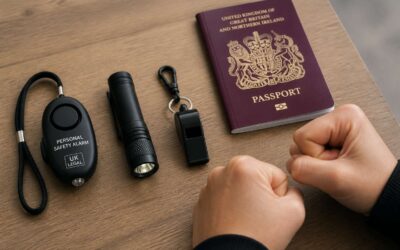
In my experience, technology and gear that support personal safety extend awareness and response without eroding human dignity. From GPS-enabled apps to portable alarms, modern tools support prudent decisions and quick reporting in SA contexts.


0 Comments